My Mum, Your Dad Update – Are Any of the Couples Still Together? (Updated For 2026) – Diary of the Dad

My Mum, Your Dad Update – Are Any of the Couples Still Together? (Updated For 2026) – Diary of the Dad


In 2023, ITV aired a new series called My Mum Your Dad. It only ran for 10 episodes across two weeks, but in that short time it captured the imaginations of millions of viewers.

A second series was commissioned just a few weeks after the first series ended, which broadcast in 2024.

The show was essentially a condensed version of Love Island with the young singles swapped out for parents in their 40s and 50s. Love Island for old people, as my teenage nephew put it shortly before I clipped him round the ear.

The added twist was that the contestants’ own children had a hand in the proceedings. They were the ones doing the match making, deciding who would go on dates with each other and so on. That’s why it was called My Mum Your Dad.

I have to admit I was a huge fan.

I have watched the show ever since, but I started to wonder if any of the couples that formed during the show were still together. Had any of them made it in the real world, away from the cameras and the mansion they were all staying in?

Here’s what I found out.

A Look at the Couples Since the Show Ended

I’m going to update this page regularly for as long as the show runs, so the information below is current.

I will check in on every surviving couple from every series whenever I update the page, keeping all relationship statuses up to date.

Series 2

Series 2 was a little different because it featured an odd number of contestants: 6 men and 5 women. What’s more, fan favourite, Paul, from Series 1 was back.

Eight of the contestants were there on day 1 of the show with three entering the show later as bombshells. This meant there was the potential for a maximum of 5 couple to form.

The other big difference in Series 2 was that the adults obviously knew they were being watched by their children. That’s not a trick you can pull twice in a TV show watched by millions unfortunately!

A shock decision by producers saw all contestant who were not in a couple sent packing in episode 9. This left just 3 couples for the final episode of the show. However, one of them, Stephanie and Paul, decided to end their final date as friends.

So just two couples survived at the end of Series 2, and this is how they’re doing now.

Vicky and David

Still Together: Yes! 😊

Vicky and David My Mum Your DadAt the end of the final episode, we got an update on the couples since there was a gap of a few months between the end of filming and the show airing.

Happily, Vicky and David confirmed they were still together. Social media posts since have seen the pair with each other’s families as well as enjoying days out and nights in with each other.

It wasn’t the most obvious of relationships at the start, and even though the couple got together early on they had a few obstacles to overcome. David was adamant not to take things too quickly, and Vicky’s emotions were up and down. At one point I thought they were done for.

They got through it though, and by the final episode were totally smitten with each other. From everything they are still posting online, it looks like the still are.

Jenny and Danny

Still Together: Yes! 😊

Jenny and Danny My Mum Your DadJenny and Danny were the first couple on the show to enter the snug – and we all know what goes on in the snug don’t we? They were already popular contestants but fans were really rooting for them after this.

Perhaps it was because of Danny’s lack of confidence and genuine remorse for previous relationship mistakes, and Jenny’s willingness to open up and try a new approach after consistently dating men who were bad news. It’s nice to see people overcoming their demons and making things work.

There was no instant spark between them, but after the first week Jenny asked Danny on a date and things snowballed.

Well, I’m pleased to say that following the update on the final episode of the show, Jenny and Danny are indeed still together. The distance between them hasn’t seemed to lessen their connection, despite Jenny living in Cheshire and Danny living in Sussex. It sounds like Jenny is putting in more driving hours than Danny, but she seems happy to do so, and it might not be for long becaauuse….

…they are even talking about moving in together and getting married! Their children especially keen on the idea, apparently.

The pair both share lots of updates on their Instagram accounts, so we know they are very happy together. They shared their first Christmas together at the end of 2024 – the first of many I hope.

Series 1

My Mum Your Dad UK

There were 6 men and 6 women who took part in My Mum Your Dad Series 1, all straight, with the potential for 6 couples to form.

Obviously though, we don’t live in a perfect world so not all of them found a partner during their time on the show.

Carolyn and Clayton were voted off the show on day 7 when all the children had to choose two people to leave, while Martin H and Tollulah left on day 9 after deciding that they weren’t going to find a romantic connection. Then, on the very last day, Monique and Martin M left the country retreat as friends after deciding they weren’t right for each other after all.

That leaves 3 couples who were ‘together’ after the last episode. Well, as together as you can be with someone after only knowing them for 2 weeks.

Natalie and Paul

Still Together: No 😞

Paul and NatalieNatalie and Paul were the first couple to split.

The show was filmed some time before it aired, so although the pair had left as a couple, they had already broken up by the time the first episode went out on September 11th.

Explaining the split on social media, Paul thanked everyone for their support and investment in his and Natalie’s relationship, going on to describe how they had enjoyed each other’s company over the summer as they continued to get to know each other. However, sometime in August they decided to be friends.

It’s a shame because these guys were the first to hit it off. They had an instant attraction and were snogging after a few days, as well as sharing meaningful conversations and trusting each other with information about themselves that you wouldn’t share with just anyone.

Viewers thought they were made for each other, and so did their kids, but sadly it was not to be.

Sharon and Elliott

Still Together: No 😞

Sharon and ElliottThings were initially looking really good for Sharon and Elliott.

They had a slower build up than Natalie and Paul due to Sharon’s experiences in past relationships where she had been hurt. She didn’t want to jump into anything and found it difficult to fully open up. Elliott was very understanding though, and told her he would take things as slowly as she needed him to.

Despite this their connection was obvious for anyone to see, and they left the show hand in hand ready to explore life as a couple.

After quite a lot of activity on social media such as cuddly pictures and smoochy statements about living together, Sharon unfollowed Elliott on Instagram. I know. Plot twist, right?

It turns out that the move never happened and the distance between them made the relationships impossible. They apparently left things on good terms, but if that’s true, why did Sharon unfollow Elliott?

Janey and Roger

Still Together: Yes! 😊

Janey and RogerThank God for Janey and Roger. They have saved the show from being a total wipe out.

Initially, Roger had been getting close to Caroline, but when Janey entered the show as a bombshell on day 2 his head was turned. I think that’s the expression young people use these days.

It wasn’t just physical attraction either. Janey helped Roger open up about the passing of his wife a year earlier, so their connection felt special from the start. They didn’t exactly rush into it, but they had their first kiss on their final date, and left the show very much besotted with each other.

Since then they have been very active on social media, sharing their adventures travelling and Janey’s career as a singer. They celebrated their 1 year anniversary in July of 2024, and have both been quoted saying that marriage is certainly not off the table.

They have even done some modelling as a couple for Anne Summers.

Kinky.

Children Matchmaking for Their Parents – What Could Go Wrong?

Teenagers Choosing Partner for Prents

Would you let your kids pick a girlfriend or boyfriend for you?

Mine aren’t old enough yet, but even if they were, it would be a hard no from me! But that’s why this show was such a good watch.

I’m not typically a reality TV kind of guy, but My Mum Your Dad wasn’t like most shows in that genre. It felt genuine, and introducing the contestants’ children as a controlling element wasn’t a gimmick. It was about how well they knew their parents, how they wanted to look out for them, and be involved in their lives.

The kids all hung out in a bunker and watched what their folks were getting up to. They expressed their happiness when things were going well, and their concerns when they weren’t sure if any of the developing relationships were going in the right direction.

For example, at points the kids would decide which two people to send on dates, so they would have to work together to pick the pairing they thought was fair and had a chance of succeeding. They had the chance to ask questions to their own parents’ potential partner via a waitress on a dinner date. They were also asked to help their parents reflect on their time at the retreat towards the end of the show.

Then, at the end when the parents were coupled up, the children were asked whether or not they would give their blessing based on what they had seen, and air any concerns they had.

It wasn’t a show that went out of its way to create tension or drama, it was much more grounded than that, and I can’t wait for the next series.

Even though my mates laugh at me for talking about it!


Source link

Best Ideas For A Garage That Isn’t Used For A Car – Diary of the Dad

Best Ideas For A Garage That Isn’t Used For A Car – Diary of the Dad


There comes a point in many suburban households when the garage quietly loses its original purpose.

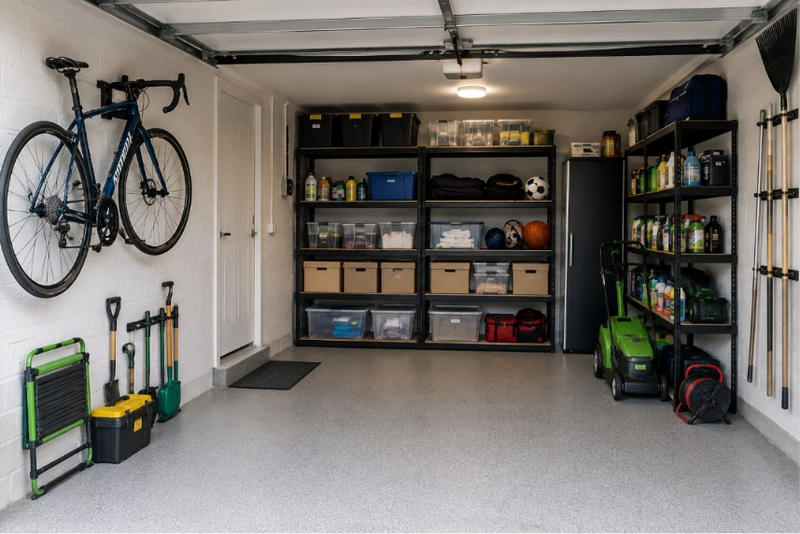
The car lives on the drive, because getting it in and out of the garage is more hassle than it’s worth. The garage, meanwhile, becomes a sort of domestic holding pen for half-used paint tins, flat footballs, dusty camping chairs, old school projects, mystery cables and that one box you are apparently not allowed to throw away.

But if you have off-street parking and an empty garage, you are sitting on one of the most useful spaces in the house. It doesn’t have to become some glossy showroom from a home renovation programme. It just needs a job.

Here are some of the best ways to use a garage that no longer has to pretend it is waiting for a car.

Home Gym

A garage gym sounds ambitious, but it can be one of the most useful ways to reclaim the space. You don’t need mirrored walls, a rowing machine that looks like it belongs in an Olympic training centre, or a motivational slogan painted above the door.

Start with the basics: decent flooring, good lighting, ventilation and enough room to move without cracking your shin on a lawnmower. A set of adjustable dumbbells, a bench, resistance bands and a mat can do a lot more than most people think.

The big advantage is convenience. No commute, no queue for equipment, no pretending you know how to adjust a machine while someone in tiny shorts waits behind you. The downside is that British garages are often cold, dusty and slightly damp, so insulation and heating may matter if you want to use it for more than three brave weeks in January.

Workshop Or DIY Space

If you enjoy making, fixing, sanding, drilling or generally pretending you know exactly what you’re doing, a garage workshop is hard to beat.

A sturdy workbench, wall-mounted tool storage and proper task lighting can transform the space. Suddenly you have somewhere to cut wood, repair a bike, assemble flat-pack furniture or take apart something that probably didn’t need taking apart.

The main benefit is mess control. Sawdust, screws, paint, glue and “I’ll finish that tomorrow” projects can all stay in one place. That alone is worth a lot if you have ever tried to do DIY on the kitchen table and then spent longer cleaning up than doing the job itself.

Proper Storage Room

Storage might not sound exciting, but neither does spending twenty minutes trying to find the Christmas lights while balancing on one foot next to a box of old chargers.

A garage can be brilliant storage if it is treated properly. The trick is to stop thinking of it as a dumping ground and start thinking of it as an organised extension of the house.

Use heavy-duty shelving, labelled boxes, wall hooks and clear zones. Seasonal decorations in one area. Tools in another. Sports gear somewhere obvious. Paint and DIY supplies away from anything that might get knocked over.

The goal is simple: you should be able to walk in, find what you need and leave without muttering darkly about everyone else in the house.

Utility And Laundry Overflow

Not every home has space for a utility room, but a garage can do a decent impression of one.

It can house a tumble dryer, freezer, extra fridge, muddy boots, cleaning supplies, dog towels, bulk buys and all the awkward household stuff that clogs up cupboards indoors. If the garage has plumbing or can be adapted sensibly, it may even take a washing machine or sink.

This is not glamorous, but it is genuinely useful. It frees up the kitchen, reduces clutter and gives the messier bits of family life somewhere to live. Just make sure appliances are suitable for garage temperatures, especially freezers and fridges, because not all of them work happily in cold conditions.

Hobby Room

A garage can become a proper grown-up hobby room, which is far better than trying to squeeze everything into a corner of the spare bedroom.

It could be for guitars, fishing gear, model-making, darts, brewing, cycling, gaming, golf equipment or whatever else you are into. The point is not to create a luxury retreat. It is to have a dedicated space where your stuff can stay set up.

That makes a big difference. Hobbies are much easier to keep up when you don’t have to unpack everything, use it for forty minutes, then put it all away again because someone needs the table.

Garden Gear Headquarters

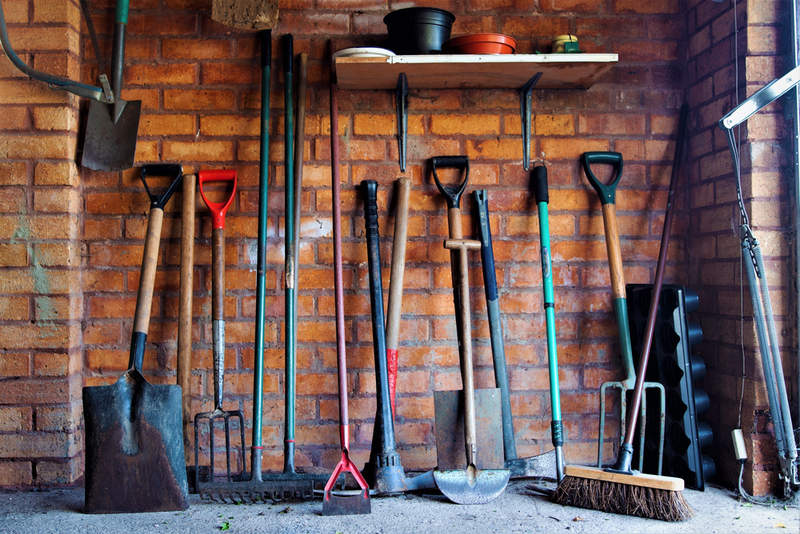
Gardening Equipment in Garage

If you have a garden, the garage is often the natural home for the outdoor kit. The problem is that it can quickly turn into a collapsing pile of compost bags, tangled hoses and tools you only use twice a year.

A good garden setup needs wall hooks, shelves, racks and a clear floor area. Keep the mower accessible, hang spades and forks properly, store BBQ gear together and create a spot for outdoor cushions, pots, weedkiller and pressure washer bits.

This version of the garage is practical rather than glamorous, but it makes garden jobs much less irritating. And anything that reduces the number of times you trip over a strimmer cable deserves respect.

Bike And Outdoor Kit Zone

Bikes take up a ridiculous amount of space when they are stored badly. Add helmets, pumps, locks, camping gear, walking boots, waterproofs and rucksacks, and you have a clutter problem disguised as an active lifestyle.

A garage is ideal for this kind of kit. Wall-mounted bike racks, ceiling hooks, boot trays and sturdy shelves can make the space far easier to use.

The main thing is access. If you have to move nine things to get to your bike, you will use the bike less. If everything has a clear spot, you are much more likely to get out without turning the garage into a crime scene of fallen helmets and angry muttering.

Home Office Or Work Space

A garage office can work, but only if you are honest about what garages are like.

On paper, it sounds perfect. Separate from the house, quieter than the kitchen, and far enough away from the kettle to stop you making a brew every twenty minutes. In reality, a bare garage may be cold, echoey, poorly lit and not exactly inspiring.

If you want to use it seriously as a work space, think about insulation, heating, flooring, Wi-Fi, sockets, natural light and security. It may need proper conversion work rather than just a desk and a hopeful attitude.

Done well, though, it can be brilliant. You get separation between home and work without actually leaving the property, which is handy if your commute has become ten steps and a suspiciously early lunch.

Games Or TV Room

Games Room Garage

You do not have to call it a man cave. In fact, it is probably better if you don’t.

A garage can become a relaxed games or TV room with a sofa, screen, darts board, old games console, mini fridge or whatever else makes sense. It is a good option if the main living room is already spoken for and you want somewhere less precious.

The key is comfort. If it still feels like a cold concrete box with a telly in it, nobody will use it. Add flooring, warmth, lighting and enough storage to stop it becoming another dumping ground.

Keep it realistic and it can be a brilliant extra room rather than a sad shrine to things you used to do before the house became full.

Mixed-Use Garage

For most people, the best use of a garage is not one single thing. It is a sensible mix.

One wall for storage. One corner for tools. A rack for bikes. A freezer near the door. A small workout area if there is room. Maybe a bench, hooks, shelves and a clear walkway so you can actually move.

This is probably the most realistic option because garages have to earn their keep. They are rarely big enough to become a perfect gym, workshop, office and storage room all at once, but they can do a bit of everything if you plan the layout properly.

The secret is zoning. Give each part of the garage a purpose and be ruthless about what belongs there. Otherwise, no matter how good your intentions are, the space will slowly return to being a museum of things you meant to sort out.

Make The Garage Earn Its Space

A garage that is not used for a car can easily become wasted space, but it doesn’t have to.

The best option depends on what your house is missing. Need storage? Build proper storage. Need somewhere to train? Make it a gym. Need space for tools, bikes, garden gear or hobbies? Give those things a home.

The drive can keep the car. The garage can do something much more useful.


Source link

How To Choose An Aftershave That Makes You Smell Like A Competent Man – Diary of the Dad

How To Choose An Aftershave That Makes You Smell Like A Competent Man – Diary of the Dad


There comes a point in a man’s life when his aftershave needs to stop trying to convince everyone he is still queueing outside a nightclub in a shiny shirt.

That point may arrive when you become a dad. It may arrive when you realise you now make noises when standing up. It may arrive when you catch a whiff of your old “big night out” fragrance and are transported back to a sticky dancefloor, a questionable haircut and a kebab eaten with the confidence only a 23-year-old man can possess.

The problem is that a lot of men never really update their aftershave. We find one we like, or one someone once said was “nice”, and then keep wearing it for the next decade as if scent has no connection to age, lifestyle or dignity.

But aftershave matters. Not in a dramatic, peacocky way. You do not need to become the sort of man who says “top notes” at dinner. You just need something that smells clean, grown-up and quietly put together. Something that says competent man, not lad on the pull.

What Grown-Up Actually Smells Like

Smelling grown-up does not mean smelling old. It does not mean splashing on something that reminds you of your grandad before a wedding. It just means choosing something balanced.

A decent aftershave should feel like part of you, not something that has been fired at you from a cannon. It should make people think, “He smells good,” not “What is that smell and why can I taste it?”

For everyday use, you generally want something fresh, clean and slightly warm. Citrus, woods, vetiver, light musk, cedar, lavender, subtle spice and green notes tend to work well. They smell masculine without trying too hard. They also fit normal life: work, school runs, family lunches, pub evenings, weddings, date nights and standing in the kitchen wondering why nobody can put socks in the laundry basket.

The danger zone is anything too sweet, too loud or too obviously designed for maximum impact across a smoking area. If it smells like bubblegum, energy drink, fake vanilla, nightclub toilets or an airport duty-free panic buy, proceed with caution.

Stop Buying Aftershave Like You’re Still Going Out-Out

A lot of younger men choose aftershave for attention. At 21, the aim is often to be noticed from across a bar, even if the result is a chemical cloud that makes everyone’s eyes water.

As an older man, you are playing a different game. You do not need to announce yourself three rooms before you arrive. You want to smell good when someone is near you, not leave a trail like a cartoon character.

This is where many men go wrong. They confuse strength with quality. They buy the fragrance that shouts the loudest because it seems like better value. But a powerful aftershave is not automatically a good one. Sometimes it is just louder. Nobody becomes more attractive by smelling like they lost a fight with a gift set.

The goal is not to smell expensive either. Plenty of expensive aftershaves are awful, and plenty of reasonably priced ones do the job perfectly well. The goal is to smell appropriate. Appropriate for your age, your life, your clothes, your job, and the fact that most of your evenings now involve bins, homework, packed lunches or trying to stay awake through a film.

Know When You’ll Actually Wear It

You do not need a shelf full of bottles arranged like a department store counter. That way lies madness, bankruptcy and YouTube videos about fragrance “beasts”.

For daytime, go lighter. Something fresh, clean and easy to wear is ideal. Think citrus, gentle woods, green notes or a soft, soapy finish. You should be able to wear it to work, on the school run, or to a family barbecue without smelling like you are trying to seduce the cheese board.

For evenings, you can go a little warmer. Amber, light spice, smooth woods or a deeper musk can work well, as long as you do not overdo it. This is where a lot of men accidentally fall into “divorced magician” territory, so restraint is your friend.

For weddings, meals out or proper occasions, you want polished rather than powerful. You are aiming for well-dressed adult, not best man who has already had four pints before the photos.

Try It Properly Before You Buy It

Aftershave is annoying because the first spray is often a liar.

What you smell in the first ten seconds is not always what you will smell an hour later. Some fragrances start fresh and pleasant, then settle into something sweet and clingy. Others begin sharply but calm down beautifully. This is why buying aftershave after one spray on a paper strip is risky.

Spray it on your skin if you can. Then leave it alone. Walk around. Have a coffee. See how it smells after an hour. More importantly, see whether you still like it after it has settled.

Do not test six at once. Your nose will give up, and you will end up choosing something based on confusion and mild headache. Try one on each wrist at most. And never buy a full bottle just because it is on offer. A discounted mistake is still a mistake.

Learn The Two-Spray Rule

Aftershave Spray

Most men use too much aftershave because we are used to things needing force. Tight lid? Force. Flat-pack furniture? Force. Child refusing shoes? Emotional force, mostly.

Aftershave is different. More is not better. More is usually worse.

Two sprays is often enough. Three if it is very light and you are feeling brave. Neck and chest usually do the job. You do not need to spray your clothes, your wrists, your coat lining and the hallway for luck.

The right amount should be noticed by someone close to you. It should not arrive before you do. If people can identify your aftershave from the next aisle in Tesco, you have not applied fragrance. You have declared war.

The Parent-Teacher Test

Here is a simple way to judge an aftershave: would you wear it to parents’ evening?

Not because parents’ evening is the height of style, obviously. It is mostly small chairs, awkward smiles and finding out your child is “very enthusiastic” in a tone that suggests paperwork may follow.

But it is a useful test. Parents’ evening requires you to smell like a functioning adult. Not flashy. Not boring. Not desperate. Just clean, calm and reasonably in charge of yourself.

If your aftershave works there, it will probably work almost anywhere. It will work at dinner. It will work at weddings. It will work when you are meeting friends, going on a rare date night, or trying to look presentable despite having spent the morning assembling a trampoline.

That is the sweet spot. Not invisible, not overpowering. Not teenage, not ancient. Just quietly good. You are not trying to reinvent yourself. You are just trying to smell like someone who has got the basics under control.

And honestly, that is more attractive than half the nonsense on the fragrance counter.


Source link

Why More Men Are Opening Up About Intimate Health Concerns – Diary of the Dad

Why More Men Are Opening Up About Intimate Health Concerns – Diary of the Dad


There was a time when many men would rather suffer in silence than admit something felt off with their health, especially when it involved intimacy or confidence. Thankfully, that attitude has started to shift. More men are speaking honestly about personal wellbeing, and that change is helping others realise they are not alone.

For dads, husbands, and busy family men, life often revolves around looking after everyone else first. Work, parenting, finances, and relationships all compete for attention. Personal health can slip down the list, particularly when the issue feels awkward to talk about. Yet conversations around men’s mental and physical wellbeing have become far more open over recent years, and that has created space for men to speak up without feeling judged.

Why Men Often Delay Seeking Help

Many men grow up believing they should “get on with it” or keep personal struggles private. That mindset can make it difficult to admit when something feels wrong. Intimate health concerns often come with embarrassment, even though they are incredibly common.

Misinformation also plays a part. Some men assume changes in sexual health only happen later in life, while others believe stress or tiredness will simply pass on their own. In reality, these issues can affect men at different ages and for many different reasons.

There is also the fear of being seen differently by a partner. Some men worry that opening up about intimate health problems will affect attraction or confidence within a relationship. Instead of talking, they stay quiet and hope things improve.

The problem is that silence often creates more stress. Worry builds, confidence drops, and relationships can become strained when communication disappears. What may have started as a physical issue can begin affecting emotional wellbeing too.

The Impact on Relationships and Confidence

Matheus Câmara da Silva via Unsplash

When men struggle privately, it rarely stays private for long. Intimate health concerns can affect mood, self-esteem, and day-to-day interactions at home. A partner may notice distance or frustration without understanding the reason behind it.

Many couples fall into a pattern where both people avoid discussing the issue because they do not want to upset each other. Over time, that lack of honesty can create tension. Even in strong relationships, silence can lead to misunderstandings.

Confidence often takes a hit as well. Men who normally feel secure may start doubting themselves, withdrawing socially, or avoiding affection altogether. That emotional pressure can carry across other areas of life, including parenting, friendships, and work.

The positive side is that open conversations often bring relief. Many partners are far more understanding than expected. Simply being honest can remove a huge amount of pressure and help couples face the issue together rather than separately.

How Modern Support Options Have Changed

One reason more men are speaking up is that support has become far easier to access. Years ago, many people felt uncomfortable booking appointments or discussing intimate concerns face-to-face. Now, men have access to discreet online services, educational resources, and professional advice without the fear of sitting in a waiting room feeling exposed.

There is also a much wider awareness around common men’s health issues. Articles, podcasts, social media discussions, and public campaigns have helped normalise conversations that once felt taboo.

Men can now read about symptoms, lifestyle factors, and erectile dysfunction treatment options from trusted sources in a private and straightforward way. That accessibility has encouraged many to take the first step towards getting help rather than avoiding the subject altogether.

It also helps that attitudes are changing among younger generations. Fathers today are often having more open conversations about emotions and wellbeing than previous generations did. That shift creates healthier examples for sons growing up and shows that speaking honestly is nothing to be ashamed of.

Encouraging Healthier Conversations Among Men

Man talking to his girlfriend
Brock Wegner via Unsplash

Normalising these discussions starts with everyday honesty. Men do not need to share every detail publicly, but speaking openly with a partner, friend, or healthcare professional can make a huge difference.

It also helps when public figures and ordinary people share their experiences. Hearing someone else admit they struggled with confidence or intimate health concerns reminds others that these issues are common and manageable.

For family-focused men, there is another layer to this conversation. Looking after your own wellbeing sets a positive example at home. Children notice how adults deal with challenges, stress, and vulnerability. Showing that it is okay to ask for help teaches healthier habits for the future.

Supportive conversations also create stronger relationships. Whether it is a quiet chat with a partner or a discussion among friends, openness builds trust and removes shame from topics that have stayed hidden for far too long.

More men are finally realising that speaking up is not weakness. It is simply part of taking care of themselves and the people around them. Small conversations can lead to better confidence, healthier relationships, and a far better quality of life overall.


Source link

The Importance of Addressing Men’s Health Concerns Early – Diary of the Dad

The Importance of Addressing Men’s Health Concerns Early – Diary of the Dad


Most men are very good at putting other people first. Between work, family responsibilities, school runs, and trying to keep daily life ticking along, personal health concerns can easily be pushed aside. That is especially true when the issue feels private or uncomfortable to talk about.

Many men still struggle to open up about intimate health concerns, even with a partner or close friend. Some hope the problem will sort itself out, while others avoid the subject altogether out of embarrassment. The trouble is that ignoring changes in your health can often create extra stress and anxiety over time.

Thankfully, conversations around men’s wellbeing are becoming more open and supportive. More people are recognising that speaking up early can make a real difference, both physically and emotionally.

Recognising When Something Feels Different

Most people know their own body well enough to notice when something changes. It may be discomfort, a physical difference, reduced confidence, or simply a feeling that something is not quite right.

The challenge is that many men dismiss early signs because they are busy or unsure whether the issue is serious enough to mention. Some feel awkward raising intimate concerns, while others worry about seeming dramatic.

Paying attention to changes matters. Small concerns can affect confidence and emotional wellbeing far more than many people realise. Spotting issues early also gives men more time to look at possible support options and speak with professionals before stress begins building around the situation.

Open conversations around men’s health have improved in recent years, which has helped remove some of the stigma attached to intimate conditions. More men now understand that these concerns are common and nothing to feel ashamed about.

The Emotional Side of Men’s Confidence

Health concerns do not only affect the body. They can have a major impact on self-esteem, relationships, and overall mood as well.

When men feel worried or self-conscious about intimate changes, it can affect how they interact with their partner. Some become quieter or more withdrawn, while others avoid affection altogether because they feel embarrassed or frustrated.

That emotional pressure can quietly affect family life too. Parents already carry plenty of responsibilities, so adding private stress on top can leave people feeling isolated even when surrounded by loved ones.

One of the most helpful things a man can do is speak honestly with someone he trusts. In many cases, partners are far more supportive and understanding than expected. Having open conversations often removes some of the fear and tension that builds when concerns are kept hidden.

There is also growing awareness that men’s mental wellbeing deserves just as much attention as physical health. Feeling anxious, low in confidence, or emotionally drained should never be ignored.

Exploring Modern Approaches to Support

Support options for men’s health concerns have changed a great deal over recent years. Many treatments and services are now far more accessible, private, and straightforward than people assume.

For conditions affecting intimate health, there are now non-invasive approaches that focus on comfort and convenience. Information is also much easier to access online, allowing men to learn more in a discreet setting before deciding what steps to take next.

For example, some men may look into focused shockwave therapy for Peyronie’s Disease as part of their research into modern support methods. Having access to reliable information can help people feel more confident about seeking advice rather than delaying the conversation.

The biggest change has probably been awareness. Men are increasingly hearing honest discussions around wellbeing, confidence, and health from podcasts, social media, and public campaigns. That visibility reminds people they are not alone.

Why Early Action Matters

Happy man with his family

Acting early can often reduce both emotional and physical strain. Waiting too long may lead to growing anxiety, relationship difficulties, or unnecessary worry.

Seeking guidance sooner does not mean expecting the worst. In many cases, it simply provides reassurance and helps men better understand what they are experiencing. Even having a conversation with a healthcare professional can ease uncertainty and provide clarity.

Early action also helps people feel more in control of their wellbeing. Instead of carrying stress privately, they can start making positive choices and looking at practical next steps.

For fathers and family-focused men, this matters even more. Looking after your own health allows you to show up more confidently for the people around you.

Talking openly about men’s health may still feel unfamiliar for some, but attitudes are changing for the better. More men are realising that speaking up early is a sign of self-awareness and strength, not weakness.


Source link

How Technology Is Changing Everyday Healthcare for Men – Diary of the Dad

How Technology Is Changing Everyday Healthcare for Men – Diary of the Dad


Life rarely slows down for modern dads. Between work deadlines, family commitments, household jobs, and trying to squeeze in some time to relax, health appointments often end up pushed to the bottom of the list. For many men, it is easier to ignore a concern for a few weeks than rearrange an already packed schedule.

That is one reason digital healthcare services have grown so quickly in recent years. Technology has changed how people manage everyday wellbeing, giving men easier access to advice, prescriptions, and support without the hassle that once came with booking appointments.

While face-to-face healthcare still has its place, online services are helping many men take action sooner rather than putting things off. For busy families, that convenience can make a real difference.

Why Convenience Matters More Than Ever

Modern family life feels permanently switched on. Many dads spend their day balancing work calls, school pick-ups, sports clubs, shopping, and everything in between. Finding time for personal health can feel nearly impossible.

Traditional appointments are not always easy to arrange either. Taking time off work, sitting in waiting rooms, and trying to fit appointments around family schedules can become frustrating. As a result, many men simply delay dealing with concerns, especially when they feel personal or awkward to discuss.

Digital healthcare offers a more flexible option. Online booking systems, virtual consultations, and home delivery services allow men to deal with health matters in their own time. That extra convenience removes one of the biggest reasons people avoid seeking help in the first place.

For parents juggling multiple responsibilities, having support available outside standard working hours can also reduce stress. It allows healthcare to fit around life rather than the other way round.

Breaking Down Barriers to Men’s Healthcare

One of the biggest changes technology has brought is improved privacy. Many men still find certain health conversations uncomfortable, particularly around intimate wellbeing, mental health, or confidence issues.

Online healthcare platforms can make those conversations feel less intimidating. Being able to complete consultations from home often helps men feel more comfortable speaking honestly about symptoms or concerns they may have ignored otherwise.

Accessibility has improved as well. Men living in busy cities or quieter rural areas can now access services and information much more easily than before. Reliable advice is available through websites, apps, video calls, and secure messaging services, giving people more control over how they manage their wellbeing.

Technology has also made health information easier to understand. Men are increasingly researching symptoms, lifestyle habits, and treatment options before speaking with a professional. For example, someone looking for support around intimate health concerns may come across information about erectile dysfunction medication while exploring online healthcare services.

Having that information readily available encourages people to take concerns seriously rather than avoiding the topic altogether.

The Benefits of Online Consultations

Online consultations have become a normal part of healthcare for many families. While they may not replace every in-person appointment, they offer a practical option for a wide range of everyday concerns.

The biggest benefit is often simplicity. Men can complete consultations from home, during a lunch break, or after the kids have gone to bed. There is less disruption to work and family routines, which makes people more likely to seek advice early.

Discretion also matters. Some men feel far more relaxed discussing sensitive topics in a familiar environment rather than sitting face to face in a clinic. That added comfort can lead to more honest conversations and quicker action.

Efficiency is another advantage. Digital systems often speed up appointment booking, repeat prescriptions, and follow-up communication. Instead of spending days trying to organise an appointment, many services now allow people to manage healthcare with just a few clicks.

For busy households, saving time while still accessing reliable support is a huge positive.

Supporting Long-Term Wellbeing

Man using exercise app

Technology is not only changing how men deal with immediate health concerns. It is also helping people take a more proactive approach to long-term wellbeing.

Fitness apps, wearable devices, sleep tracking, and online health platforms all encourage men to pay closer attention to their daily habits. Small changes around exercise, stress, sleep, and diet can have a major effect on both physical and mental wellbeing over time.

Perhaps the biggest shift is cultural. Men are becoming more open about discussing health and asking for support when they need it. Digital healthcare has played a part in making those conversations feel easier and more accessible.

For dads raising the next generation, that openness matters. Showing children that health should never be ignored creates healthier attitudes for the future.

Technology will continue changing healthcare over the coming years, but one thing is already clear: easier access and greater convenience are helping more men take positive steps towards looking after themselves and their families.


Source link

Why Children Start Swearing At School And How To Deal With It – Diary of the Dad

Why Children Start Swearing At School And How To Deal With It – Diary of the Dad


One of the strange things about parenting is how many milestones nobody really warns you about. The first day of school? You expect that. The first time they ride a bike? Sure. Even the first argument about bedtime eventually comes along.

But the first time your child comes home casually dropping a word you absolutely did not teach them? That one can catch you completely off guard.

For a lot of dads, it goes something like this. You’re sitting at the dinner table or driving home from school and suddenly a perfectly innocent sentence includes a word that makes you choke on your tea.

“Where on earth did you hear that?”

The answer, nine times out of ten, is the same: school.

It’s one of those moments when you realise your child is now fully exposed to the outside world, with all the good and bad that comes with it.

And while it might feel alarming at first, it’s actually a very normal part of growing up.

Why Kids Pick Up Swearing So Quickly

Children are extremely good at picking up language. Much better than adults, in fact.

That’s partly because they’re constantly listening and copying the people around them. Language is how kids figure out the world, so anything that gets a reaction tends to stick.

Swear words tick all the boxes.

  • They’re emotional.
  • They’re memorable.
  • And most importantly, they cause a reaction.

Even if a child hears the word just once, they often notice the tone and the response around it. If another kid says something and everyone laughs or gasps, that word suddenly becomes very interesting.

Schools are obviously full of different children from different homes, and some kids will have heard language that others haven’t. Once a few words start circulating around the playground, they spread quickly.

It’s not usually about being naughty. More often it’s curiosity and experimentation.

Kids are trying out new words to see what they mean and what effect they have.

The Playground Language Exchange

One thing most parents eventually realise is that schools are basically giant language laboratories.

Every playground has that one kid who seems to know words nobody else has heard yet. They pass them on to friends, who pass them on again, and suddenly the entire class is experimenting with a brand new piece of vocabulary.

Most of the time, the kids don’t even fully understand what they’re saying.

They just know it sounds grown-up or rebellious.

I remember hearing my own child confidently repeat a word they’d clearly picked up from somewhere. When I asked what they thought it meant, the answer was essentially a shrug followed by “I don’t know… it’s just a word.”

That’s very typical.

Swearing, at least in the early stages, is usually more about curiosity than defiance.

Why Kids Often Test It At Home

Once a child learns a new swear word, there’s a good chance it will eventually be tested out at home.

Parents are the safest audience for experimentation.

Kids are trying to figure out the rules of language, and that includes working out which words are acceptable and which ones cross a line.

Sometimes it slips out accidentally. Other times it’s a deliberate test.

You’ll see the look on their face when they say it. That tiny pause afterwards where they’re waiting to see how you react.

And that reaction matters more than you might think.

The Worst Thing You Can Do

Strict Dad

It’s very tempting to react dramatically when you hear your child swear for the first time.

Shouting, overreacting, or turning it into a huge confrontation is understandable. After all, nobody wants their child wandering around the playground sounding like a drunken football fan.

But big reactions can sometimes backfire.

Remember that kids often repeat words precisely because they get attention. If a particular word causes an explosion at the dinner table, it instantly becomes more interesting.

That doesn’t mean you ignore it. But it does mean staying calm helps.

A steady response usually teaches the lesson far more effectively than a dramatic one.

Start With A Simple Explanation

One of the most useful things you can do is simply explain that some words are considered rude.

Children don’t automatically understand the social rules around language. They need those rules explained in clear, simple terms.

Something along the lines of:

“That word is something some adults say when they’re angry, but it’s not a word children should use.”

You don’t need to deliver a lecture about morality or punishment. Most of the time, a calm explanation is enough for younger kids.

They’re often surprised to learn that the word carries that kind of weight.

Help Them Understand Context

As children get older, the conversation can become a little more nuanced.

The truth is that swearing does exist in the adult world. Kids hear it in films, on television, in sports stadiums, and sometimes from grown-ups themselves.

Pretending it never exists usually doesn’t work.

Instead, it can help to explain that certain words are considered inappropriate in certain places.

School, for example, has rules about language because it needs to be a respectful environment for everyone.

This approach teaches something far more valuable than just “don’t say that word”.

It teaches social awareness.

Look At Your Own Language Too

Bad language

This is the slightly uncomfortable part for many dads.

Kids are incredibly good at noticing what we say, not just what we tell them to say.

If we regularly shout colourful language at the television during a football match, it shouldn’t come as a huge surprise when those same words appear a few weeks later in the playground.

That doesn’t mean parents have to speak like Victorian schoolteachers all the time.

But it’s worth remembering that children absorb far more than we realise.

Sometimes the easiest way to shape their language is to quietly adjust our own.

What Schools Usually Do About It

Most schools deal with swearing in fairly predictable ways.

Teachers understand that children often repeat words without fully understanding them. The usual response is a reminder about school rules and, if it continues, a conversation about respectful language.

In more serious cases, schools may involve parents, particularly if the language is directed at other children or staff.

But the vast majority of playground swearing incidents are minor and short-lived.

Kids experiment with words, realise they get into trouble for them, and eventually move on.

A Phase Most Kids Grow Out Of

For many families, the swearing phase turns out to be brief.

Once children understand that certain words aren’t acceptable at school or at home, they usually drop them pretty quickly.

The novelty wears off.

Something else becomes the new playground trend instead.

Looking back, most dads end up realising that the first swear word wasn’t a sign of terrible behaviour or bad influences. It was simply another step in their child figuring out language, boundaries, and the social rules of the world around them.

And if you handle it calmly, with a bit of explanation and a bit of patience, it usually becomes just another funny parenting memory.

One day you’ll probably even laugh about it.

Preferably not while your child is within earshot.


Source link

What Actually Happens When You Challenge A School Fine For Term-Time Absence – Diary of the Dad

What Actually Happens When You Challenge A School Fine For Term-Time Absence – Diary of the Dad


It started with one of those brown envelopes that make your stomach drop before you’ve even opened them. Inside was a Fixed Penalty Notice for taking my child out of school during term time. We’d gone away for a few days in late June — a short family break that worked around my job, not the school calendar. Flights were half the price, hotels actually had space, and we hadn’t managed a proper holiday in two years.

When I asked the school in advance, they said no: term-time holidays aren’t authorised unless there are exceptional circumstances. Apparently, saving money and sanity doesn’t count. So the absence went down as unauthorised, and a few weeks later, the fine landed — £80 if paid within 21 days, £160 if left until 28. Two parents, two fines, because that’s how the rules work now under England’s national framework introduced in August 2024.

No Appeal, No Nonsense

The first surprise was learning there’s no formal appeal process. None.

You can’t fill in a form and plead your case like with a parking ticket. The only thing you can do is write to the headteacher or the local authority and ask for the notice to be withdrawn — but they’ll only do that if it was issued in error.

The Department for Education’s own guidance spells this out: no right of appeal, just the option to ask nicely if they’ve made a mistake.

Why The Fine Lands In The First Place

Since August 2024, schools in England are expected to consider a penalty notice when a child racks up 10 unauthorised sessions (that’s five full school days).

The headteacher decides whether an absence is authorised — and if it isn’t, the local authority can issue the fine. Each parent can get up to two fines per child in any three-year period. After that, it skips straight to prosecution.

If you want to challenge this, there are several steps to take.

Step One: Check The Paperwork

The first thing I did was check the basics — names, dates, the amount, the period of absence. Councils have to follow the national template now, but human error still happens. If any of that’s wrong, you’ve got grounds to ask for the notice to be withdrawn.

Then I checked the school’s attendance policy and the register codes. Every absence gets one of those little letters you see on reports — and they’re nationally standardised. If it’s coded as unauthorised, that’s what triggers the fine.

Step Two: Make Your Case (Politely)

Because there’s no official appeal, the next move is to make representations. That’s council-speak for writing to the school and explaining why you think they’ve got it wrong. Maybe the absence should’ve been authorised. Maybe there was a medical note. Maybe it was a genuine administrative error.

If you’ve got proof, attach it. The council can withdraw a notice if:

• It was issued to the wrong person
• It was issued outside the rules
• Or no offence was actually committed

That’s it. Feeling hard done by doesn’t count.

Step Three: Decide Whether To Pay

If the school and council stick to their guns, you’re left with two choices: pay within 21 days (£80) or within 28 days (£160). If you still don’t, the local authority must either withdraw the notice or prosecute you under section 444 of the Education Act 1996 for failing to ensure regular attendance.

Prosecution sounds dramatic, but it happens. The court can impose a bigger fine and costs — and “regular attendance” has been legally defined by the Supreme Court as meaning “in accordance with the school’s rules.” In other words, if the school said no, you’re on thin ice.

Step Four: Court — If You Really Push It

If it goes to court, there are only a few legal defences. You’d have to show that the absence was authorised, the child was ill or there was an unavoidable cause, or it was a day of religious observance. Beyond that, it’s down to the magistrates.

What I Actually Did

Appeal

I gathered every bit of evidence I had — emails to the school, travel details, screenshots — and sent a polite, factual letter asking for the absence to be reconsidered. I copied in the local authority, because that’s who actually issues the fine.

They reviewed it and, in my case, stood by the original decision. So I paid within the 21-day window to stop it doubling. Annoying? Yes. But that’s the only real way to draw a line under it.

To be fair I was bang to rights, but I thought it was worth a try. It wasn’t.

My Advice to Other Parents

Challenging a school fine isn’t like arguing over a parking ticket. The system is designed to be straightforward and unforgiving — and, to be fair, consistent across the country.

In other words, if you know you are guilty, just pay the fine. You won’t win an appeal if you can’t prove the fine is unfair, you will just cause yourself stress, extra work, and potentially further costs.

Key things to remember:

  1. Don’t ignore it. Those deadlines matter.
  2. Don’t assume you can appeal. You can’t — only request withdrawal if it was issued wrongly.
  3. Keep everything in writing. If it escalates, you’ll need a paper trail.
  4. If you end up in court, get advice early. It’s not a formality — it’s a criminal offence under section 444.

So yes, you can question a fine. But unless there’s a clear error or you’ve got rock-solid proof that the absence should’ve been authorised, you’ll probably just end up paying it.

And maybe, next time, thinking twice before hitting “book” on that off-peak deal. Or at least factoring in the cost of the inevitable fine!


Source link

Easy to Grow Vegetables to Plant with Kids – Diary of the Dad

Easy to Grow Vegetables to Plant with Kids – Diary of the Dad


I’ve spent countless hours in the garden with my little ones, and I can tell you there’s something truly magical about watching your children grow something they can eat. It’s not just about the vegetables; it’s about the memories, the learning, and the joy on their faces when they pull up their first carrot or bite into a sun-warmed tomato. If you’re thinking about starting a vegetable garden with your kids, you’re in for a treat. Let me share some of my favourite easy-to-grow vegetables that have been a hit with my children over the years.

Why Grow Vegetables with Your Kids?

Before we dig into the specifics, let’s talk about why growing vegetables with your children is such a brilliant idea. For starters, it’s a fantastic way to get them excited about eating their greens (and reds, and yellows!). There’s something about planting a seed, caring for it, and watching it grow that creates a connection to food that you just can’t get from a supermarket shelf.

It’s also a wonderful learning experience. My kids have picked up so much about biology, weather, and even patience through our gardening adventures. Plus, it’s a great way to spend quality time together outdoors, away from screens and devices.

When the weather allows, of course…

Choosing the Right Vegetables

When it comes to gardening with kids, not all vegetables are created equal. You want to choose plants that are:

  1. Easy to grow
  2. Quick to produce results
  3. Fun to harvest
  4. Tasty to eat

With these criteria in mind, let’s explore some of the best vegetables to grow with your little ones.

Tomatoes

Tomatoes are a brilliant choice. They’re relatively easy to grow, produce fruit fairly quickly, and come in a variety of colours and sizes that children find fascinating.

In my experience, cherry tomatoes are the absolute winners. They’re sweet, easy to pop in your mouth, and produce fruit abundantly. My kids love wandering through the garden, plucking these little red (or yellow!) gems straight from the vine.

Growing Tips

  • Start seeds indoors about 6-8 weeks before the last frost date.
  • Once seedlings are about 15cm tall, transplant them to larger pots or into the garden.
  • Choose a sunny spot – tomatoes love warmth and light.
  • Water regularly and consistently to prevent splitting.

We’ve had great success with ‘Sungold’ tomatoes, a variety that produces incredibly sweet yellow cherry tomatoes. ‘Tumbling Tom’ is another favourite, perfect for hanging baskets if you’re short on space.

One thing worth bearing in mind with tomatoes especially: slugs and aphids love them just as much as kids do. If you’re growing with little ones, make sure any products you use are family-safe pest control options — there are plenty of non-toxic solutions such as pesticide-free sprays that won’t put curious hands at risk.

Potatoes

If you want to see real excitement in your kids’ eyes, grow potatoes. There’s something about digging for these underground treasures that never gets old.

Growing Tips

  • Start with seed potatoes, which you can usually find at garden centres.
  • Plant them in early spring for a summer harvest.
  • As the plants grow, keep piling soil or straw around the stems (this is called ‘earthing up’).
  • When the plants start to yellow and die back, it’s time to dig!

Tell your children that potatoes are actually the swollen ends of underground stems, not roots. It’s a fun bit of plant biology they can impress their friends with.

Beans

Beans are another vegetable that seems to captivate children’s imaginations. Maybe it’s the Jack and the Beanstalk connection, or perhaps it’s just how quickly they grow.

We’ve had success with both runner beans and French beans. Runner beans tend to grow taller and produce larger pods, while French beans are often more prolific and come in fun colours like purple.

Growing Tips

  • Sow seeds directly into the ground after the last frost.
  • Provide support for climbing varieties – a teepee of bamboo canes works well.
  • Pick regularly to encourage more production.

Get your kids to check the plants daily and measure how much they’ve grown. It’s a great way to keep them engaged in the process.

Carrots

Carrots

Carrots are a bit more challenging to grow, but the payoff is worth it. The anticipation of pulling them up to see how big they’ve grown is unbeatable.

Growing Tips

  • Sow seeds directly into the ground or deep containers.
  • Keep the soil moist until seeds germinate.
  • Thin seedlings to about 5cm apart when they’re large enough to handle.

For extra fun, try growing rainbow carrots – varieties like ‘Purple Haze’ or ‘Yellowstone’ alongside traditional orange ones. It’s a great way to show kids that vegetables come in all colours.

Lettuce

Lettuce is perfect for impatient little gardeners. It grows quickly and can be harvested within a few weeks of planting.

Growing Tips

  • Sow seeds directly into the ground or containers.
  • For a continuous harvest, sow a few seeds every couple of weeks.
  • Some varieties can be harvested leaf by leaf, allowing for multiple harvests from the same plant.

Challenge your kids to create their own salad mix by growing different varieties of lettuce and other salad leaves.

Peas

Peas are another vegetable that kids tend to love, both for growing and eating. They’re sweet, fun to shell, and grow vertically, saving space in the garden.

Growing Tips

  • Sow directly into the ground in early spring.
  • Provide support for the plants to climb.
  • Harvest regularly to encourage more pods to form.

Peas are one of the oldest cultivated crops in the world. Archaeologists have found peas in ancient Egyptian tombs. That little factoid will impress you kids’ teachers.

Cucumbers

Cucumber

Cucumbers are a hit with most kids, and they’re relatively easy to grow. Plus, they’re refreshing on a hot summer day.

Growing Tips

  • Start seeds indoors about 3-4 weeks before the last frost date.
  • Transplant seedlings to the garden when they have a few true leaves.
  • Provide support for climbing varieties.

Try growing lemon cucumbers – they’re round and yellow, looking a bit like lemons. Kids get a kick out of their unusual appearance.

Radishes

If you want to see results fast, radishes are the way to go. They can be ready to harvest in as little as 3-4 weeks from sowing.

Growing Tips

  • Sow seeds directly into the ground or containers.
  • Keep the soil moist but not waterlogged.
  • Harvest when the roots are about 2.5cm in diameter.

Use radishes to teach kids about the parts of a plant. They can see the leaves above ground and the root below.

Tips for Success

To wrap up, here are some general tips to make your vegetable gardening adventure with kids a success:

  1. Start small – it’s better to have a few thriving plants than a large, overwhelming garden.
  2. Let your kids choose what to grow – they’ll be more invested if they have a say.
  3. Make it fun – use colourful plant markers, create themes (like a pizza garden), or have competitions.
  4. Be patient – things might not always go to plan, but that’s part of the learning experience.
  5. Celebrate the harvest – cook together using your home-grown produce.

Remember, the goal isn’t just to grow vegetables, but to grow little gardeners. Enjoy the process, and embrace the mess.


Source link

Pints And Ponytails: The Secret Life Of Dads Event Teaching Hairstyles – Diary of the Dad

Pints And Ponytails: The Secret Life Of Dads Event Teaching Hairstyles – Diary of the Dad


There aren’t many situations where you’ll find a group of grown men sat in a pub, pint in one hand, carefully trying to master a braid.

But that’s exactly what happened earlier this month at the Lucky Saint pub in London, where “Pints and Ponytails” brought together a group of dads for a slightly unusual kind of evening.

The idea was simple enough. Learn how to do your daughter’s hair. The setting made it a lot more interesting.

Seriously though, what a brilliant idea.

What The Event Actually Was

“Pints and Ponytails” was a small workshop organised by the Secret Life of Dads community, aimed at helping fathers get to grips with basic hair styling.

We’re not talking about anything over the top. This was about the fundamentals. Ponytails, plaits, and the sort of things that actually come up on a normal school morning.

Around 30 to 40 dads turned up, and instead of practising on their kids (which probably wouldn’t have gone well), they worked on mannequin heads laid out across pub tables. There was guidance from people who knew what they were doing, but the whole thing stayed relaxed and informal.

No pressure. No awkward classroom feel. Just dads having a go. And a pint. Or maybe two.

More Important Than It Seems

It’s easy to look at something like this and think it’s just a bit of fun. And it is. But there’s a reason it struck a chord.

Hair is one of those everyday parenting jobs that a lot of dads just never really learn. Not because they don’t want to, but because it’s always been one of those things someone else handled.

Then suddenly you’re the one doing the school run, or getting them ready in the morning, and you realise you’re completely winging it.

And kids notice. Not in a critical way, but in the small details. Whether you can do their hair properly. Whether you take the time to try. Whether you’re confident doing it.

That’s where something like this comes in. It takes a small gap and actually does something about it. It’s important and has a deeper meaning than it seems on the surface.

It Didn’t Take Itself Too Seriously

What makes this work isn’t just the idea. It’s how it was done.

Putting it in a pub changes everything. It immediately makes it feel more accessible, less like you’re signing up for a parenting class and more like you’re just going out for a pint and picking something up along the way.

You can imagine the mix of reactions on the night. A few dads quietly concentrating, some clearly out of their depth, others getting the hang of it quicker than expected. Probably a fair bit of trial and error.

That’s exactly how it should be.

Because the goal isn’t perfection. It’s just getting better than you were before. And doing so in a way that is accessible and low presure.

It Went Viral and I Hope It Comes Back

Clips from the event ended up doing the rounds online, and people loved it. Not just because it’s a slightly funny visual — dads seriously focused on mannequin heads in a pub — but because it feels genuine.

There’s no big message being forced. It’s just a group of dads trying to improve at something that matters to their kids, and that’s something a lot of people can relate to straight away.

It’s also the sort of thing most of us would probably give a go. Not because anyone expects to walk out suddenly mastering complicated styles, but because it takes away that awkward starting point. Learning something like this is a lot easier when someone shows you properly, rather than guessing your way through it at home.

Even picking up one or two basics would make a difference. A ponytail that actually looks neat, a plait that holds together — small wins, but ones that matter more than you’d think.

The event itself has already been and gone, but it doesn’t feel like a one-off idea. If anything, it’s the kind of thing that could easily pop up again, whether in the same place or somewhere else entirely. They have already done one follow up so another may well come up.

And if it does, it’s well worth keeping an eye on.

Because a lot of modern fatherhood isn’t about big gestures or standout moments. It’s about showing up for the everyday stuff — even the bits you’re not naturally good at — and getting a little bit better at them over time.


Source link

Back to Top
Product has been added to your cart
Compare (0)