The Everyday Things Your Kids Will Probably Remember About You – Diary of the Dad


One of the strange things about being a dad is that you never really know which moments are going to stick.

You can spend weeks planning a birthday, book an expensive day out, take hundreds of photos on holiday and assume those are the memories your children will carry into adulthood. Some of them probably will.

But just as often, it is the ordinary stuff that survives.

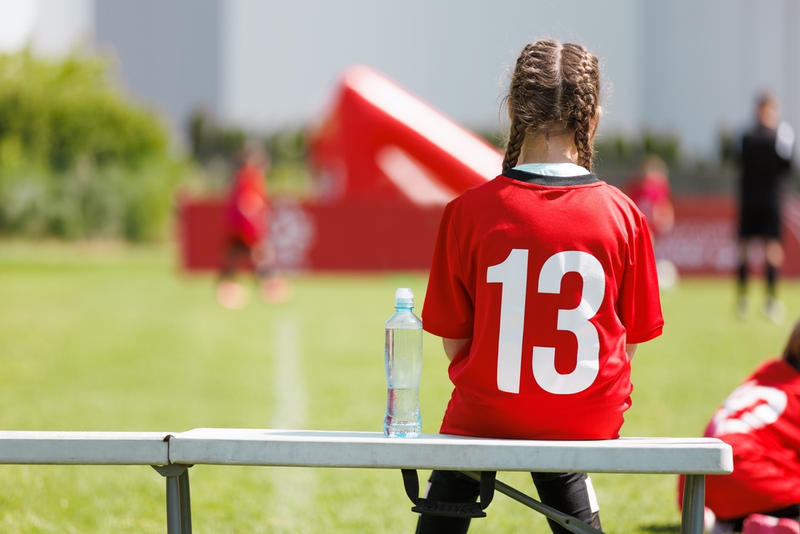
They might remember the silly song you sang in the car, Sunday morning pancakes, or that you always turned up to watch them play football, even when it was freezing.

They may also remember the times you were distracted, short-tempered or made them feel like a nuisance.

That is not meant to pile pressure on dads. Nobody gets parenting right all the time. The encouraging bit is that being remembered as a good dad probably has less to do with creating a perfect childhood than with the small things you do repeatedly.

They Will Remember How You Made Home Feel

Children notice atmosphere long before they understand why it exists.

They know whether Dad coming through the door usually means laughter and conversation, or whether everyone suddenly becomes careful about what they say.

That does not mean you have to walk into the house grinning after an awful day. Kids need to see that adults have bad days too. But there is a difference between being stressed and making everyone else responsible for your mood.

We all snap sometimes. We all have evenings when the noise is too much and somebody asking for a snack for the sixth time feels like an act of warfare.

What matters is the overall pattern.

If you lose your temper, admitting it can be more powerful than pretending it never happened. A simple “Sorry, I was grumpy and I shouldn’t have spoken to you like that” shows children that adults make mistakes and can put them right.

You do not lose authority by apologising. You show them what taking responsibility looks like.

They Will Remember the Little Rituals

Family memories are often surprisingly cheap.

Friday night pizza. Walking the dog together. A particular joke at bedtime. Watching the same Christmas film every December. Letting them choose the music in the car.

These rituals can feel insignificant when you are doing them for the hundredth time. To a child, repetition creates security. It becomes part of what “home” means.

That is good news if you cannot afford constant trips or expensive experiences. Children do not measure childhood using your bank balance.

A ten-minute kickabout in the garden can matter. So can making hot chocolate after school, reading one more chapter, or saying yes when they ask you to watch something they are excited about.

The activity itself is often less important than the fact that Dad wanted to be there.

They Will Remember Whether You Listened

Children can talk an astonishing amount of nonsense.

There are only so many explanations of Minecraft, playground arguments or YouTube videos a grown man can absorb before his brain quietly leaves the room.

But buried among all that chatter are moments when they are trying to tell you something important.

The difficulty is that they do not always announce which conversation matters.

A child might start talking about lunch and gradually reveal that somebody is upsetting them at school. A teenager may test the water with something small before sharing a bigger problem.

You will not catch every one of those moments. Nobody does.

But putting your phone down sometimes, looking at them and properly listening tells them something important: what they think matters to you.

And if they learn that while they are young, there is a better chance they will still come to you when the problems get bigger.

They Will Remember How You Treated Other People

Road Rage Kids in Car

Kids are always watching, including when you wish they were not.

They notice how you talk to their mum. They hear what you say about people when they are not around. They see how you speak to waiters, shop staff, neighbours and your own parents.

That can be uncomfortable because most of us occasionally behave in ways we would rather our children did not copy.

Maybe you swear at another driver. Maybe you make a cruel joke. Maybe an argument with your partner becomes nastier than it should.

Perfection is not the target.

But it is worth asking yourself: if my child copied the way I am behaving right now, would I be pleased?

Children learn a huge amount about relationships from watching the adults closest to them. How you disagree, show affection, handle frustration and treat people all become part of their education.

They may forget the lectures you gave them about being kind. They are less likely to forget seeing you actually do it.

They Will Remember That You Were There

There is a phrase dads hear constantly: “They grow up so fast.”

It becomes a cliché because it is annoyingly true.

One minute you are carrying them because their legs are tired. Then suddenly they do not need you to walk them into school. Before long, they are disappearing upstairs and closing the door.

You cannot be present for everything, especially when work and ordinary life get in the way. Nor should fatherhood mean abandoning everything else that matters to you.

But there is a difference between being busy and being permanently unavailable.

Your children probably will not remember every time you said yes to playing with them, helping with something or listening to a story.

What they may remember is the feeling that Dad usually had time for them.

That is the hopeful part.

You do not need to manufacture magical childhood memories every weekend. You do not need to be endlessly patient or some flawless version of fatherhood that does not exist.

Make them laugh. Listen when you can. Say sorry when you get it wrong. Show up. Be interested. Let them see that they are loved.

Years from now, the details might be fuzzy.

But there is a good chance they will remember exactly how being your kid felt.


Source link

Why I Stopped Making My Children Say Sorry Before They Meant It – Diary of the Dad


For years, I thought making my children say sorry was one of those basic parenting jobs you simply had to do.

One child snatched a toy, shoved a sibling or said something cruel, and I would step in with the standard instruction.

“Say sorry.”

Sometimes they did. Sometimes they mumbled it into their chest. Sometimes they dragged the word out with all the sincerity of a hostage reading a prepared statement.

“Sor-ry.”

At the time, I counted that as a result. The apology had been delivered, the box had been ticked and everyone could move on.

Except, of course, nobody had really moved on.

The child who had been hurt knew the apology meant nothing. The child saying it was usually more annoyed with me than sorry about what they had done. All I had really taught them was that “sorry” was the password needed to escape a difficult situation.

Eventually, I began to wonder whether forcing an apology was teaching the lesson I thought it was.

Saying Sorry Is Not the Same as Being Sorry

Children are very good at learning which words adults want to hear.

They quickly work out that saying “sorry” can shorten a telling-off, restore access to a confiscated toy or bring an uncomfortable conversation to an end.

That does not mean they understand why the other person is upset.

An apology is supposed to recognise harm. It should show that you understand what you did, how it affected somebody else and why you should try not to do it again.

A child who is still furious is unlikely to manage all of that on command.

In fact, forcing the apology too quickly can distract from the actual issue. Instead of thinking about the person they hurt, they focus on the injustice of being made to say something they do not feel.

The argument then becomes about the apology rather than the behaviour.

I Was Often Asking for It Too Soon

Children do not always move from anger to reflection as quickly as adults expect.

To be fair, neither do adults.

If someone demanded an immediate apology from me while I was still defensive, embarrassed or convinced I was right, I doubt I would produce my finest moment of emotional maturity.

Yet that was exactly what I expected from my children.

They would lash out in frustration, and within seconds I would ask them to understand another person’s feelings, accept responsibility and express genuine remorse.

Sometimes they needed time to calm down before they could even talk about what happened.

This did not mean ignoring the behaviour or allowing them to wander off without consequence. It simply meant separating the immediate need to stop the situation from the later need to repair it.

First, make things safe. Then deal with the feelings. After that, talk about putting things right.

What I Do Instead

I still expect my children to take responsibility when they hurt someone. I have not replaced discipline with a cheerful shrug.

The difference is that I no longer treat the word “sorry” as the whole lesson.

I start by helping them understand what happened.

“You pushed him because you were angry, but he got hurt.”

“You called her that name, and now she is upset.”

“You broke something that belonged to somebody else.”

Then I ask what they think they can do to make things better.

Sometimes the answer is an apology. Sometimes it is returning what they took, helping repair something, checking whether the other child is all right or giving them space.

Often, once they have calmed down and understood the effect of their behaviour, the apology comes naturally.

It may not sound polished. It may be awkward and quiet. But at least it belongs to them.

Children Still Need to Learn the Words

Kid saying sorry

There is a risk of taking this too far and deciding children should only apologise when a wave of perfect remorse washes over them.

That is not realistic either.

Children sometimes need help learning how apologies work. Adults do too, judging by the number of apologies that begin with “I’m sorry you feel that way.”

I might suggest what they could say.

“You could tell him you are sorry you pushed him.”

“You could explain that you were angry, but that it was still wrong.”

The important difference is that I am helping them express responsibility rather than demanding a noise from them.

There are also times when a child may not feel especially sorry but still needs to acknowledge that their behaviour was unacceptable. We do not have to feel deeply emotional every time we make amends.

A proper apology can be a choice as well as a feeling.

But that choice means more when the child understands what they are taking responsibility for.

The Other Child Matters Too

Forced apologies can also be uncomfortable for the child receiving them.

We often tell children they must accept an apology immediately, even when they are still upset.

One child mutters “sorry”, and the other is expected to say, “That’s okay.”

But sometimes it is not okay yet.

I no longer make my children forgive on demand either. They can acknowledge the apology without pretending the hurt has disappeared.

“Thank you for saying sorry” is enough.

They may need time before they want to play together again. That is not vindictive. It is part of learning that an apology does not instantly erase the consequences of what happened.

I Want Sorry to Mean Something

I still value apologies. Probably more than I did before.

That is why I stopped treating them like a compulsory line in a parenting script.

I want my children to understand that saying sorry is not about avoiding punishment or keeping an adult happy. It is about recognising that another person matters and taking responsibility when you have hurt them.

Sometimes that means waiting five minutes.

Sometimes it means having an uncomfortable conversation later.

Sometimes it means accepting that the other person is still angry, even after you apologise.

That is a harder lesson than simply saying the word.

But it is also a more useful one.


Source link

What Happens When a Single Dad Needs Support – Diary of the Dad


Whether you’re adjusting after a separation, navigating co-parenting arrangements, or raising children independently, the reality can feel overwhelming and isolating. It’s easy to put your own needs last. The good news is that support exists, and seeking it is often one of the most practical steps you can take for both yourself and your family. When you have the right people around you, everyday challenges often become much more manageable.

The Emotional Journey of Single Fatherhood

Becoming a single dad can bring a mix of emotions. You might feel proud of the role you play in your children’s lives while also experiencing anxiety about the future. These feelings often become more noticeable during major life changes, especially after the end of a relationship.

Many fathers worry about whether they are doing enough for their children. You may find yourself second-guessing decisions or comparing your family situation to other households. When difficult emotions start affecting your sleep, concentration, or relationships, talking to someone you trust, such as a close friend, can make a meaningful difference.

Practical Hurdles and Everyday Challenges

Single dads often face a long list of competing responsibilities. Managing childcare while maintaining a career can create constant pressure, particularly when a child becomes ill or school schedules change unexpectedly.

Finances can also become more complicated. One household income may need to cover costs that were previously shared. Creating a realistic monthly budget often helps you understand where money goes and identify areas where you can reduce unnecessary spending. Building simple routines can also reduce stress because children know what to expect and daily tasks require less mental energy.

Where to Turn for Help

Support comes in many forms, and you do not need to face challenges alone. Family members and friends often provide practical help. Professional guidance is also valuable. Experienced family law solicitors can explain your rights, help you understand available options, and support you through important decisions.

Many local communities also offer parenting groups specifically designed for fathers. These groups provide opportunities to share experiences with people who understand the realities of single parenthood. Conversations with other dads often lead to practical tips that work in everyday situations.

Building Resilience and Moving Forward

Single dad reading to child

Resilience does not mean ignoring difficulties. Instead, it comes from developing habits that help you cope when challenges arise. Looking after your physical health plays an important role because adequate sleep, regular exercise, and balanced meals can improve both mood and energy levels.

Children often take emotional cues from the adults around them. When they see you managing setbacks calmly and communicating openly, they learn valuable coping skills themselves.

Looking Ahead as a Single Dad

Over time, many single dads discover strengths they never knew they had. You learn how to balance competing priorities, make decisions independently, and create a stable environment for your children. Those skills develop gradually through everyday experiences rather than dramatic turning points.

While seeking support may feel difficult at first, it often creates stronger foundations for the future. The goal is not to do everything alone. It is to ensure you have the resources, guidance, and confidence needed to thrive together.


Source link

Do I Have Low Testosterone Or Am I Just A Tired Dad? – Diary of the Dad


I don’t know what I did to make the internet worry about my testosterone, but it is definitely worried. At the moment, adverts for low-testosterone tests and treatment seem to be everywhere. They ask whether I’m tired, irritable, lacking motivation, putting on weight, struggling to concentrate or less interested in sex.

In other words, they ask whether I’m a middle-aged dad.

That is what makes the adverts so effective. Most fathers could tick at least a few of those boxes after a bad week. Tiredness may be caused by children waking during the night. Irritability could have something to do with work, money or the low-level chaos of family life. Concentration becomes more difficult when your brain is carrying everybody’s appointments, problems and missing PE kits.

However, low testosterone is a genuine medical condition, and men experiencing persistent symptoms should not simply dismiss them as an unavoidable part of getting older or having children. So, how can we tell the difference between low testosterone and ordinary exhausted-dad syndrome?

What Low Testosterone Actually Means

Testosterone is a hormone produced mainly in the testicles. It plays a part in sex drive, sperm production, muscle and bone strength, red blood cell production and the development of male characteristics such as facial hair and a deeper voice.

Men’s testosterone levels generally decline gradually as they age. That does not mean every older man develops a deficiency or needs his testosterone “topped up”. The NHS says late-onset hypogonadism—the medical condition sometimes misleadingly called the “male menopause”—is uncommon and is not a normal part of ageing.

Possible symptoms include a reduced sex drive, erectile problems, loss of morning erections, fatigue, low mood, difficulty concentrating, reduced strength and loss of body hair. The difficulty is that many of these symptoms are not specific to low testosterone. Poor sleep, stress, anxiety, depression, obesity, excessive alcohol consumption, certain medicines and other health conditions can produce similar effects. Some of those factors can also contribute to lower testosterone levels.

That means an online questionnaire cannot diagnose you. Neither can recognising yourself in an advert. Doctors consider a man’s symptoms, medical history and blood-test results together. Testosterone changes during the day and is normally highest in the morning, which is why testing is generally performed then. A low result may need to be confirmed with another morning test, alongside further investigation into its cause.

Why Do Some Men Take Testosterone Medication?

Testosterone Test

Testosterone replacement therapy, usually shortened to TRT, is prescribed to replace testosterone when the body is not producing enough. Depending on the individual, it may be supplied as a gel or an injection. For someone with a properly diagnosed deficiency, treatment can relieve symptoms and help protect areas such as muscle and bone health.

There are several possible reasons why the body may not make enough testosterone. A problem can affect the testicles themselves or the parts of the brain that signal them to produce the hormone. Testosterone deficiency can also be associated with certain medical conditions, treatments or medicines. This is why finding the reason for a low result matters rather than treating a number in isolation.

TRT is not simply a male energy supplement. It is prescription medication that requires professional assessment and ongoing monitoring. It can cause side effects and may increase red blood cell levels, contribute to acne or fluid retention, and reduce sperm production. That last point is especially important for men who may want more children. Taking external testosterone can suppress the body’s own production, so it should not be approached like trying a new vitamin and seeing how it goes.

None of this means TRT is bad. For men with a confirmed deficiency, it can be appropriate treatment and make a substantial difference to their health and quality of life. The problem comes when advertising makes it sound as though testosterone is the obvious solution to every tired, stressed or slightly softer man over 30.

So, Is It Low Testosterone Or Tired Dad Life?

Tired Dad Low Testosterone

The honest answer is that symptoms alone cannot tell you. If you have been sleeping badly, eating poorly, drinking more than usual and coping with a stressful period, there are several plausible explanations for feeling drained. If the problem improves when life settles down or you start looking after yourself better, testosterone may never have been the issue.

But persistent tiredness, low mood, sexual difficulties or noticeable physical changes deserve attention. The sensible next step is not to diagnose yourself through Instagram or buy medication from an unregulated source. It is to speak to your GP, explain all your symptoms and let them consider the full picture. They may arrange blood tests, investigate other possible causes or refer you to a specialist if the results suggest testosterone deficiency.

The current wave of adverts is not entirely harmful. Men are often reluctant to talk about low mood, sexual problems and changes to their bodies, so anything that encourages a proper conversation can help. The trouble is that the company raising awareness may also be selling the test and, potentially, an ongoing course of treatment. That does not automatically make its service unreliable, but it is a reason to look beyond the marketing.

So, do I have low testosterone or am I just a tired dad? I cannot answer that from an advert, a list of common symptoms or the fact that I no longer bounce out of bed like I did at 21. Neither can anyone else.

Low testosterone is real, and treatment exists for men who need it. But tiredness is not a diagnosis, ageing is not a disease and a difficult month does not necessarily indicate a hormonal problem. If something feels persistently wrong, get it checked properly. Just don’t let an algorithm convince you that being knackered after years of parenting means your masculinity is running low.


Source link

Why It Always Takes Parents Two Hours to Leave the House at the Weekend – Diary of the Dad


Before we had children, my wife and I could decide to go somewhere and be out of the front door in about ten minutes.

Fancy a walk?

Sure.

Coat on. Keys. Wallet. Done.

Now? We can start getting ready at 9am for a trip to the garden centre and somehow still be pulling off the drive just before lunch.

It’s not that we’re particularly disorganised. It’s just that leaving the house with children is no longer a simple task. It’s an event. A carefully choreographed production where every family member has a starring role, whether they want one or not.

And no matter how many weekends you do it, it never seems to get any quicker.

It Always Starts So Innocently

The conversation is always the same.

“Shall we go out somewhere?”

“Yeah, sounds good.”

“We’ll leave in about twenty minutes.”

Twenty minutes.

It’s a lovely idea. Optimistic. Hopeful.

Completely detached from reality.

Someone Needs a Shower

Usually both adults do.

One disappears upstairs, leaving the other in charge downstairs.

Within seconds, one child wants a snack, the other needs help finding a toy they haven’t looked at for three weeks, and the dog has decided now is the perfect time to bark at absolutely nothing.

The person in the shower emerges feeling refreshed.

The person left downstairs looks like they’ve done a full shift.

Children Have Their Own Timetable

Adults understand the concept of getting ready.

Children… not so much.

The moment you say, “We’re going out,” they suddenly remember every single thing they’ve ever wanted to do.

Can we build some Lego first?

Can I finish this drawing?

Can you watch me do a handstand?

Can I just show you something?

Each request only takes a minute. Unfortunately, there are about thirty of them.

Everyone Is Suddenly Hungry

Nobody wanted food five minutes ago.

Breakfast was apparently more than enough.

Then somebody mentions putting shoes on, and suddenly it’s as if the family hasn’t eaten for days.

“I’m starving.”

“I need a snack.”

“Can I have a banana?”

You hand over the banana.

They take two bites.

The rest somehow ends up in the footwell of the car.

Where Have the Shoes Gone?

This is the stage that genuinely baffles me.

How can shoes disappear inside a house?

You don’t own that many rooms.

They were definitely by the front door yesterday.

Yet one trainer has vanished into another dimension.

The search begins.

Eventually they’re found under the sofa, in the toy box or, on one memorable occasion, in the bathroom.

Nobody knows why.

Just One More Toilet Trip

Child Using Bathroom

At this point, everyone is finally dressed.

Coats are on.

Bags are packed.

The front door is actually open.

Then somebody says the words every parent expects.

“I need a wee.”

Fine.

They disappear upstairs.

Their sibling suddenly decides they should probably go too.

Then one of the adults thinks, “Actually…”

Five more minutes disappear.

Packing for Every Possible Emergency

Leaving the house used to involve grabbing your keys.

Now it feels like preparing for an Arctic expedition.

Water bottles.

Snacks.

Wipes.

Spare clothes.

Sun cream.

Raincoats.

Favourite teddy.

That random toy dinosaur which apparently cannot be left at home under any circumstances.

The irony is you’ll probably only be gone for an hour.

One Parent Is Always Waiting

Every family seems to have one.

They’re standing by the front door with the keys, convinced everyone else is ready.

They’ve been waiting for fifteen minutes already.

The other parent is still checking nobody needs another drink, another snack or another emergency visit to the toilet.

Neither is wrong.

It’s just the natural order of family life.

Eventually, somehow, everyone makes it into the car.

Seatbelts are fastened.

Engine started.

You exchange a look that says, “We actually did it.”

Then, from the back seat, comes the inevitable voice.

“I forgot my water bottle.”

Or…

“I’ve left Teddy inside.”

Or my personal favourite…

“I need a poo.”

Somehow, It’s Worth It

Family Outside at Cafe

The funny thing is, if you’d asked me ten years ago why parents always seemed late or why it took them so long to go anywhere, I’d probably have assumed they just weren’t very organised.

Now I know the truth.

It’s not one big delay.

It’s fifty tiny ones.

It’s answering questions, tying shoelaces, finding missing socks, cutting apples into exactly the right number of slices and making sure everyone’s actually happy to leave the house in the first place.

Individually, they barely register.

Together, they somehow turn twenty minutes into two hours.

And despite all that, once you’re finally out—whether it’s the park, the garden centre, the beach or just a trip to B&Q—you usually forget about the chaos that got you there.

Until Sunday morning, when someone cheerfully says, “Shall we pop out for a bit?”

“Yeah,” you reply.

“We’ll leave in twenty minutes.”


Source link

5 Steps to the Perfect Family Glamping Trip – Diary of the Dad


Glamping offers families the best of both worlds: fresh air and adventure for the children, without giving up the comforts grown-ups rely on. UK breaks are more popular than ever, with 87 million overnight trips taken in England in 2025, so it is no wonder families are trying it. A little planning turns glamping into a truly relaxing break. Here are five steps to get it right.

1. Choose the Right Glamping Site for Your Family

Matheus Bertelli via Pexels

Glamping sites can be quite different, so compare your options carefully. Pods, safari tents, shepherd’s huts and cabins vary in sleeping arrangements, and what looks charming online may lack the basics you need. Check how many each unit really sleeps, whether there are private toilets and showers or shared facilities, and what cooking equipment is provided. Confirm exactly what the booking includes, from bedding to firewood, so there are no awkward surprises on arrival.

2. Plan Activities That Work for the Whole Family

Family museum trip
Minh Ngọc via Pexels

Half the fun is what surrounds the site, so research family-friendly things to do nearby. Being outdoors is a big part of the appeal, and it clearly lands with children: more than nine in ten say being in nature makes them very happy, according to Natural England. Line up a mix of outdoor adventures alongside indoor backups like a museum or soft play. That balance matters here, as plans may shift with the weather.

3. Pack for Comfort, Not Just Adventure

Packing cosy clothes for trip

Packing well is where comfort is won or lost. Bring layers for cool evenings and warm days, plus waterproofs and sturdy footwear for everyone. If bedding is not supplied, pack duvets, pillows and an extra blanket each. Add toiletries, a small first-aid kit, and any cooking essentials the site does not provide. For the children, a few familiar toys, books or games make downtime easier and bedtime calmer in an unfamiliar setting.

4. Make the Journey Part of Your Glamping Plan

Motorhome by a lake
Chané Timmerman via Pexels

The trip there sets the tone, so plan your route and allow plenty of time to arrive, unpack and settle everyone before the evening. Travelling in the motorhome you plan to stay in can stretch the holiday and turn the journey itself into part of the adventure. Just sort the practicalities first, from route planning and vehicle checks to taking out motorhome insurance before you set off.

5. Prepare for Whatever the British Weather Brings

Glamping in the rain
Gaspar Zaldo via Pexels

Finally, plan around the forecast instead of hoping for the best. Check the outlook and any weather warnings shortly before you leave, then pack accordingly, whether that means extra waterproofs or sun cream and hats. Keep a wet-weather backup plan ready so a rainy morning becomes an adventure indoors rather than a washout. That flexibility keeps everyone happy, whatever the skies do.

Glamping rewards families who plan ahead. Sort the site, the activities, the packing, the journey and the weather, and you are free to focus on the bit that matters: enjoying it together.


Source link

Socially Awkward Dad? How to Help Your Child Make Friends – Diary of the Dad

Socially Awkward Dad? How to Help Your Child Make Friends – Diary of the Dad


You know the scene. You arrive at the school gates and several groups of parents are already deep in conversation. They are laughing, making weekend plans and apparently remembering the names of every child in the class. Meanwhile, you are standing slightly apart, pretending to be fascinated by a notice about lost jumpers.

If you are naturally quiet, shy or socially awkward, that part of school life can be uncomfortable. Then comes the more troubling thought: is your child missing out because you find it difficult to talk to the other parents?

The reassuring answer is that having a socially awkward dad does not condemn a child to a lonely childhood. Children form their own connections at school, through clubs and anywhere else they regularly meet people. However, there is an honest complication. Younger children cannot exchange phone numbers, arrange lifts or organise Saturday-afternoon playdates. Parents often control those opportunities, whether they intend to or not.

You therefore do not need to transform yourself into the most popular dad at the school gates. You may simply need to make a few deliberate moves that stop your discomfort becoming a practical barrier for your child.

Are You Really Holding Your Child Back?

bslnki111 / Shutterstock

It is easy to assume that the sociable parents have sociable children because they are constantly arranging things together. Sometimes that probably is how a friendship begins. Two parents get along, their children spend more time together and the convenience gradually becomes a genuine friendship.

Parents are certainly involved in creating opportunities. A 2024 C.S. Mott Children’s Hospital poll found that 45% of parents of younger children had arranged playdates to help their child make friends, while 30% had tried to befriend other parents. That does not mean you need your own friendship group before your child can have one. It means that somebody occasionally has to send the first message.

Before worrying that you are holding your child back, look at what is actually happening. Do they mention children they play with? Are they happy to go to school? Do they talk about games, conversations and shared jokes? Some children are perfectly content with one or two good friends and have no interest in belonging to a large group.

If you are unsure, ask their teacher how they mix with other children. The answer may reassure you that your child has a busy social life for six hours a day, even if none of it has yet made its way into your family calendar.

Creating Opportunities Without Working the Room

Two men talking

Your aim is not to charm every parent in the playground. It is to make contact with one parent whose child already gets along with yours.

Ask your child whom they enjoy spending time with, rather than selecting someone based on which parent appears easiest to approach. Then keep the invitation simple and specific. Something like, “Sam talks about Oliver all the time. Would he like to meet us at the park after school on Thursday?” is enough. You are arranging an hour at the park, not applying to join somebody’s inner circle.

Neutral locations are particularly useful if the thought of hosting makes you uncomfortable. A park, soft-play centre or café with a play area gives the children something to do and removes the pressure to entertain another parent in your home. It can also make the invitation feel more casual.

If your school has a class WhatsApp group, use it for practical contact. You do not have to contribute to every discussion or produce the perfect witty reply. If you do not have the other parent’s details, you could ask the teacher whether they would be willing to pass your number on. They should not give you somebody else’s personal details, but they may be able to forward yours.

It also helps to accept invitations when you reasonably can. Other parents may interpret silence or repeated refusals as a lack of interest, even when the real reason is nerves. You do not need to become great friends with them. Being friendly, reliable and willing to make arrangements is often enough.

Open the Door, Then Let Your Child Lead

Kids friends

There is a danger of overcorrecting once you start worrying about your child’s social life. You might arrange endless activities, push them towards particular children or treat every quiet weekend as evidence that something is wrong.

Your child still needs to choose their own friends. Ask open questions such as “Who made you laugh today?” or “Who did you play with at lunchtime?” These usually reveal more than asking whether they have a best friend. Once they mention the same name regularly, you have a natural starting point for an invitation.

How much help they need will also change with age. Parents have considerable control over the social lives of younger children because they provide the communication, supervision and transport. Older children gradually arrange more for themselves, although they may still need a lift, somewhere to meet or permission to invite somebody over.

Pay attention if your child repeatedly says they are lonely, feels excluded, becomes distressed about breaktimes or actively asks for help making friends. That is the point to speak to the school and find out what they have noticed. But do not mistake your own discomfort at the school gates for evidence that your child is struggling.

A socially awkward dad can still model kindness, loyalty, good listening and the courage to do something uncomfortable for someone else. Your child does not need you to be popular. They just need you to open the occasional door—and let them decide who walks through it.


Source link

Kids Week 2026: Get Free Theatre Tickets in the West End (Monday 20th July to Monday 31st August) – Diary of the Dad

Kids Week 2026: Get Free Theatre Tickets in the West End (Monday 20th July to Monday 31st August) – Diary of the Dad


Who went to the Christmas Pantomime as a kid?

I did. My grandparents took me and my sister every year. We would turn up at the theatre in Christmas jumpers, Grandad would buy us each a box of sweets and a drink, and we would scream our little hearts out when the actors did their routines. Pure magic.

I think the annual Panto would be the extent of most kids’ theatre experience, but the performing arts industry is on a mission to change that with Kids Theatre Week.

There is loads of brilliant kids theatre out there, especially in London which is the theatre capital of the world, with shows designed for toddlers right up to teenagers approaching adulthood. The trouble is that tickets are often eye-wateringly expensive, but thanks to Kids Theatre Week, they just got an awful lot cheaper.

You can now get free theatre tickets in the West End for your children.

This initiative has actually been running since 1998. It is essentially a buy one get one free deal for parents and kids over Summer, yet despite it’s longevity, a surprisingly large number of parents still don’t know about it. So I’m trying to spread the word because it’s a fantastic idea that ticks every box for Mums and Dads desperately trying to survive the school holidays: it’s cheap, it’s fun, and it’s culturally enriching.

All parents need affordable activities to fill the summer holidays with, so why not add a bit of culture into the mix?

What Is It (And When Is It)?

Rather confusingly, Kids Week is a scheme run over the whole of the Summer Holidays (so not just for a week). It was originally just for a week but it proved so popular that they extended it. This year it will run from Monday 20th July to Monday 31st August 2026, but ‘Kids 7 Weeks of Theatre’ doesn’t have quite the same ring to it, so they stuck with the original name.

During this time, any adult who buys a full price ticket to a participating show can take a child aged 17 or under with them for free. So two adults can take two kids for free. What’s more, two additional children’s tickets can be purchased per adult for half price. When you work it out, you can get 1 adult and 3 kids tickets for the price of 1 adult and 1 kids ticket – and no booking fees either. It’s a bargain!

The scheme is run by Society of London Theatre (SOLT), so sadly it is only available in the capital, but for anyone visiting or living in the surrounding area it’s fantastic.

Some shows even come with special additional activities as part of the scheme, such as post show Q and As or musical theatre workshops the kids can join in with.

There are 190,000 tickets available across all participating productions, but while that might sound like a lot they sell out fast – so don’t dawdle if you want to take advantage.

What Shows Can You Watch?

Matilda the Musical

This will change from year to year, but lots of productions enrol in the scheme so there will always be a good mixture of plays, musicals, comedies, and children’s shows.

There are around 50 shows on the list for 2026, including:

  • Alice in Wonderland
  • Arcadia
  • Arthur
  • Be Like Blippi
  • Beetlejuice the Musical
  • Bluey’s Big Play
  • Braniac Live
  • Cabaret
  • Matthew Bourne’s The Car Man
  • The Cat In The Hat
  • Come Alive!
  • The Comedy About Spies
  • Cyrano De Bergerac
  • Dark of the Moon
  • Death Note: The Musical
  • The Devil Wears Prada
  • Dinosaur World Live
  • Disney’s Hercules
  • Dog Man: The Musical
  • The Enormous Crocodile The Musical
  • The Gruffalo Live On Stage
  • Heathers The Musical
  • Horrible Histories: Barmy Britain – The Best Bits
  • Hot Mess
  • The Hunger Games: On Stage
  • I’m Every Woman – The Chaka Khan Musical
  • The Lion Inside
  • The Little Mermaid: Song Of The Sea
  • Mamma Mia!
  • Matilda The Musical
  • Ministry Of Science Live! Science Saved The World
  • Monopoly Lifesized
  • The Mousetrap
  • RSC’s My Neighbour Totoro
  • Now You See Me Live
  • The Paddington Bear Experience
  • The Play That Goes Wrong
  • The Producers
  • Sinatra The Musical
  • Stranger Things: The First Shadow
  • Tao Of Glass
  • The Tiger Who Came To Tea
  • To Kill A Mockingbird
  • Wicked
  • A World Elsewhere
  • Zog

You can see from that small list of examples that there are a huge variety of shows taking part, so there will definitely be something that appeals to you and your children, however old they are and whatever they enjoy.

Booking

Booking Tickets for Kids Week

This bit is important.

You can only book these special tickets via the OfficialLondonTheatre.com website. This a ticketing website run by SOLT. It’s quite good for theatre fans in general actually, it’s full of news and announcements, and it also has its own booking platform.

While tickets are available across a large number of shows the exact dates and times they will be offered varies, so you might not be able to go on a specific day. That means there may be some flexibility required when booking.

Hopefully, since it’s during the Summer holidays that won’t be an issue, but it’s something to bear in mind.

Ticket prices will depend on the show you want to see, but the deal is the same wherever you go, and if you have theatre tokens they can be used in conjunction with this initiative too.

There is a maximum of 10 tickets per booking, so if you are thinking of arranging an outing for a very large group you’re best bet is to get in touch with the site directly.

Tickets will be on sale from 11th June 2024 – stick it in your diary.


Source link

First Choice Free Child Places: How It Works – Diary of the Dad

First Choice Free Child Places: How It Works – Diary of the Dad


Not a lot of people know this, but First Choice are actually owned by the TUI Group. They even have the same ATOL number and ABTA membership number (2524 and V5126 if you’re interested). However, from a customer point of view they are not the same thing. For a start, First Choice is an online only brand and TUI have high street shops, and the way they package their holidays is different.

One thing they have in common, is that they both offer a Free Child Places deal. However, the holidays available through each brand and the way they are packaged are not necessarily identical, so it is still worth checking both websites.

The bones of the deal are the same though – one of your kids can get a free holiday provided certain conditions are met, and cash strapped parents desperate for a holiday will be very glad of that!

Here’s everything you need to know about First Choice’s free kids places offer.

Terms and Conditions

First Choice are a more budget conscious brand, and the way they work is by letting people pay only for exactly what they need. For example, they can leave out transfers from the airport, or only travel with hand luggage, or book the flights on a cheaper airline. They offer packages as well, but customers can adapt them to fit their specific needs or to bring the cost down.

However, where the Free Child Places offer is built in, changing anything else about that package could invalidate the deal. This is something you must be aware of when booking with First Choice. The flight times, airport, hotel, baggage, everything has been selected specifically to enable them to offer the free child place, so if you tinker with it, the deal might no longer apply.

There are still loads of options, so you shouldn’t struggle to find something that works, but it’s a bit different to other companies offering similar free child place deals, so don’t get caught out.

Other than that, the offer is fairly standard: 2 adults paying full price can take a child with them for no extra cost. That means four adults could get two free child places in the right circumstances, and there are even a small number of hotels that extend the offer to multiple children. These are rare but they do exist, so check the specific terms. A ‘child’ usually means someone under 12, but some hotels accept kids up to 15 for free.

Be aware too that this is a seasonal offer, and that places can run out, especially at busy times like school holidays, so book early if you can. You can sign up for alerts if you have somewhere specific in mind.

What’s Included?

First Choice Free Child Place Deals

This deal includes everything the full paying adults are getting, even down to the type of board that has been paid for. In other words, if you adults are getting all inclusive, so will the free child, but if they are going self catering, food and drink for the child will also have to be paid for separately.

At a glance, you get:

  • Free flights
  • Free accommodation
  • The same standard board basis as the adults
  • Free transfers where transfers are included in the package
  • The hotel facilities, activities and entertainment included in the adults’ package

The free child will have to stay in the same room/apartment as the parents of course. They are allowed to stay for free, but they won’t get a room to themselves.

It’s also worth mentioning that infants under two years old are usually free too. There might be a nominal charge from the airline to cover taxes, but provided they sit on your lap, you won’t usually need to buy an extra seat for them.

Where Can You Go?

First Choice have a great range of destinations from European favourites to long-haul hot spots

Some of the destinations included with the free child place offer have included:

  • Bulgaria
  • Croatia
  • Cyprus
  • Greece
  • India
  • Jamaica
  • Maldives
  • Mexico
  • Portugal
  • Spain
  • Thailand
  • USA (Florida)

So it’s a real mix as you can see.

Why Book With First Choice?

First Choice Holidays LogoAll the big companies offer free child places, so why would you choose First Choice?

Well, First Choice is aimed at more budget conscious travellers, so even with a free child place included, their packages are often very good value. There is also more variation, because First Choice build their packages using flights from several airlines, meaning lots of choice when it comes to departure airports and timings.

You can even find some of the same hotels as those being offered with TUI, just with a different airline, for example, or with less baggage allowance. Both could come with a free child’s place, but First Choice could be cheaper.

I would also say that First Choice have moved on from their reputation as providing only all inclusive resorts. They now have a full range of holidays including self-catering apartments and five star resorts too – and they could still qualify for the free child place deal.

So if you are on a budget and prepared to be flexible, you could do very well with First Choice.


Source link

easyJet Free Child Places: What You Need to Know Before You Book – Diary of the Dad

easyJet Free Child Places: What You Need to Know Before You Book – Diary of the Dad


Most big holiday companies now offer some sort of free kids place offer, and while they can seem similar on the surface, there are differences between them.

easyJet’s Free Child Places deal is one such offer, and apart from being a great deal for families looking to save money on their holidays, it has a few interesting quirks to be aware of before you book.

The free places are available on thousands of holidays with easyJet, and they are all ATOL protected, but this is not unique among holiday providers.

What makes easyJet interesting, aside from a huge range of package holidays available with free child places, is their flexibility. They also have a few terms you should know about before you pack your suitcase.

How It Works

It’s a simple enough offer: with selected hotels and destinations, you can get one free child’s place for every two paying adults.

That means a free flight, free accommodation (so long as the child is sharing a room with the parents), free transfers, free 23kg luggage allowance, and even free food and drink if the booked holiday is all inclusive (hotel dependent). Nice, right?

Wherever you see the Free Child Place label on one of their holidays, the offer applies:

easyet Free Child Place label
See the label next to the blue arrow

The even better news is that this offer applies even if you are also travelling with an infant. Infants (under 2 years old) travel for a nominal £25 fee with easyJet provided they sit on an adult’s lap, and the hotels don’t charge extra for them either. You can even put two items like a pushchair and a travel cot in the hold for free.

The holidays you can choose from are wide ranging too. Just some of the destinations include:

  • Spain
  • Portugal
  • Cyprus
  • The Greek Islands
  • Turkey
  • Egypt
  • Malta
  • Italy

…and more besides. So whether you go somewhere near or somewhere far, for a few days or up to two weeks, the Free Child Places deal is a possibility.

This isn’t available to single parents, but a single adult travelling with a child can claim up to a £100 discount offer.

Great For Short Family Breaks

Family taking a selfie on holiday

In order to qualify for the Free Child Places offer, your holiday only needs to be 3 or more nights long. This means you can get away for a long weekend running into a bank holiday, for example, and still take advantage of the deal.

It works just as well for longer holidays too of course, but this sort of flexibility is really useful, especially for families juggling tight budgets with work commitments and school term times.

For young families it is even better, because thanks to the way easyJet treat infants, two adults could travel with two children (one under 2 and one under 15) without paying more than £25 for either of them.

The filtering options on the site even let you search for holidays based on flight duration, so you can choose a holiday that gives you more time relaxing or having fun and less time in the air – which means less chance of your kids going mad and screaming on the plane!

Flexibility

easyJet flexibility

easyJet are keen to point out how flexible their holiday packages are, including those that qualify for the free children’s places.

For a start, so long as the balance is settled 28 days before the holiday, you can spread payments out in a way that suits you. A £60 deposit per person is all it takes to secure your booking, and after that, you can pay in instalments to a timeframe that works for you.

You can even change the details of your holiday – or the entire thing – up to 28 days before departure. Sometimes there is not even a fee for this, and where there is a fee, it is often as low as £25.

If the worst happened and you had to cancel the whole thing, they have a Refund Guarantee. If you cancel up to 60 days beforehand your deposit will be refunded as credit, but any instalments you have paid will be refunded in full. Cancellation up to 28 days before will see you lose the deposit, but you still get the rest back.

Plus, they promise to match the price if you find the same holiday cheaper elsewhere, too. It’s called their Best Price Guarantee.

easyJet have won a lot of awards for this sort of thing, and the Gods of parenting do enjoy throwing a spanner in the works don’t they? So this sort of flexibility is very useful indeed!

Things to Look Out For

easyjet plane
Wirestock Creators / Shutterstock

The easyJet Free Child Places offer is created in conjunction with the hotels themselves. So easyJet is giving away the free travel, and the hotel is giving away the free accommodation. This means that each hotel has a say in the specific rules.

One of these is the upper age limit that your free child can be. This is something you need to check, because while the maximum upper age limit is 15, some have lower age limits.

easyJet themselves treat anyone 16+ as an adult.

Connected to this, children must still be under any applicable age limit on the return flight of the journey. So trying to sneak a 15 year old through if they turn 16 while you are away will not work. This also applies to infants: if your toddler turns 2 while you are away they are not classed as an infant.

You should also be aware that availability is limited. The free child places can run out, and may only be available for specific rooms in some hotels, or on certain dates. It depends on the hotel you are looking at, so check everything carefully.

The last thing to look out for is any extras. A lot is included for free, but optional extras such as picking specific seats on the plane (this is easyJet after all), upgrades, and sometimes entry to certain onsite attractions may cost extra.


Source link

Back to Top
Product has been added to your cart
Compare (0)