
5 Dad Projects to Complete Before Winter Arrives – Diary of the Dad
December, January and February are generally rainy and windy in the United Kingdom. Heavy snowfall is even a perennial concern in the northern regions. Get your hands dirty with these five projects to weatherise your house before winter rolls around.
1. Cleaning the Gutters
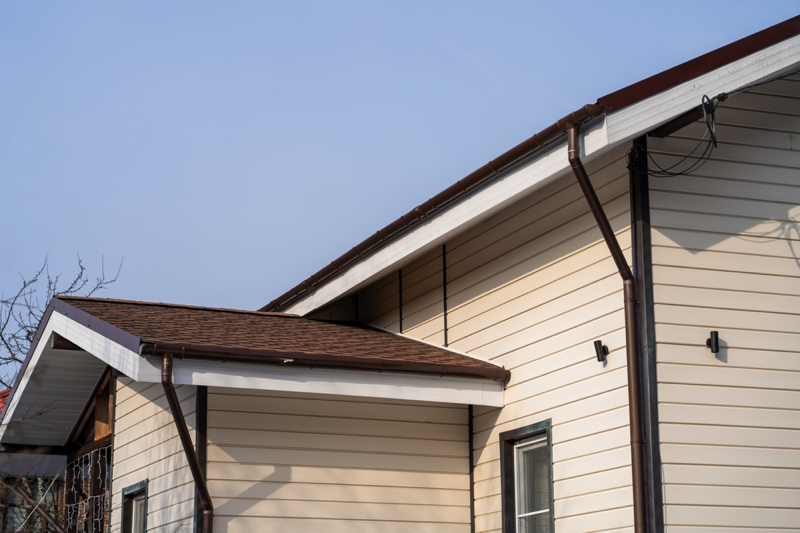
Emptying gutters during some of the wettest months reduces the risk of structural damage to your property. Clogs cause rainwater to go where it shouldn’t, leaving slippery outdoor surfaces and drowning or uprooting garden plants. Even robust gutter systems can collapse under the weight of standing water, which can be costly and a hassle to repair.
Moreover, organic material often fills the gutter trough. Twigs, leaves, clumps of moss and even living plants can slow drainage and hinder evaporation, creating ideal conditions for mould growth. Colonies release spores into the air, which can get inside your house. Prolonged exposure to mould in a space with inadequate ventilation may lead to respiratory issues or trigger allergic reactions.
Prewinter gutter cleaning promotes pest control. Insects, birds and small mammals can take shelter in debris-filled gutter troughs, and these unwanted guests may eventually find their way in.
2. Trimming Garden Trees

Tall deciduous trees are a hazard during violent windstorms. Gales can blow off branches and weaker limbs, damaging whatever they land on. If your garden trees are too close to your property, they can brush against the sides and bruise masonry.
Shortening the side branches of shade trees on your own is permissible, provided that you observe safety rules. The Royal Horticultural Society recommends pruning them when dormant, unless they’re prone to silver leaf.
Doing this project in the autumn helps lower the risk of infection, as many fungi, bacteria and insects are less active during the cold season. Trimming around this time of year is a good opportunity to remove diseased or damaged wood, which promotes healthier growth.
Be mindful of tree protection orders (TPOs). These legal restrictions can apply to garden trees with historic value to the area. Verify with the local authorities if the trees you plan to trim have TPOs. If they do, submit a tree works application to your local planning authority and obtain written consent before doing anything.
3. Burstproofing Exterior Pipes
Uninsulated pipes with trapped water exposed to the weather can burst during cold snaps. Draining them is important to keep your plumbing fixtures intact throughout the winter.
Some homes have outside taps or bib taps. A bib tap’s corresponding isolation valve is generally indoors. It’s often along the interior pipe connected to the cold water line, which leads to the garden tap, or right next to the main stopcock. The actual location varies, depending on the plumbing system design, but you can almost always find the isolation valve under the kitchen sink.
After shutting off the isolation valve, open the outside tap. Let the water out completely to drain the pipe, then leave the outside tap open. Keep the isolation valve off throughout the cold season.
4. Insulating the Garage Door

Attached garage doors are thermal bridges, causing heat to escape to the outside. Metal panels, in particular, are excellent conductors.
If you use your garage other than parking and include it in your house’s central heating, uninsulated steel or aluminium garage doors can be the biggest source of energy loss in this space. It causes your boiler to use more natural gas to keep you comfortable, which drives up your utility bills.
The good news is that you can increase your garage’s insulation value over the weekend with basic tools, such as measuring tape and a utility knife, plus foam boards. The key is to measure the surface area accurately and cut the boards precisely to cover the entire area without gaps. Prep work is vital for adhesion, so clean the door surfaces thoroughly to help the material stick during and after installation.
5. Sealing Draughty Windows
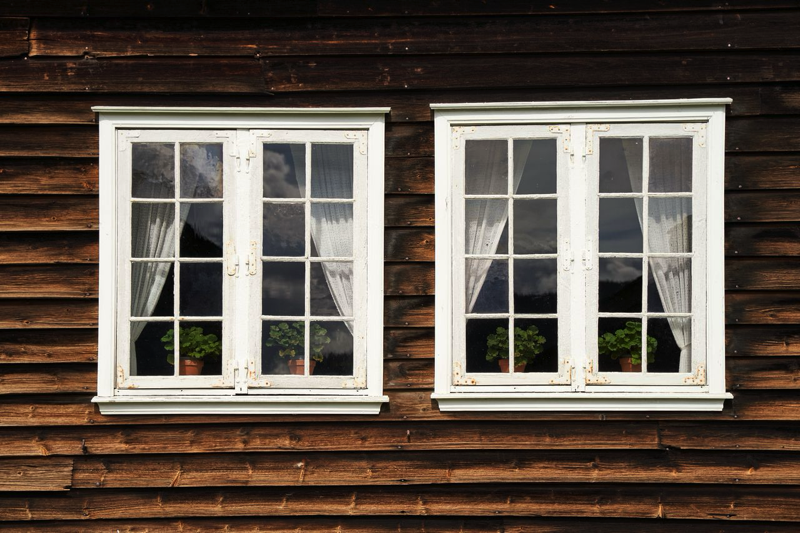
Leaky windows are an energy drain, especially in the winter. The gaps around the panels cause heated indoor air to escape the room and let in cold draughts.
Applying self-adhesive foam strips can seal windows, except for units with sliding sashes where brush strips work better. For gaps around fixed design elements, such as those between the frame and the wall, use caulk or silicone sealant. If you have single-pane units, taping clear window film around the border can prevent leaky glass from wasting energy.
Remove dirt, dust or grease from window surfaces with soapy water or rubbing alcohol. Strip away the cracked, old sealant before installing fresh material to ensure proper adhesion, prevent trapping moisture and mould and avoid a lumpy appearance.
Ready Your Home for the Winter
Weatherising your house can be exhausting, but the workload becomes more manageable if you start early. Prioritise these five projects to ensure they’re meaningfully winter-ready, so you can spend your time and energy wisely.
Add a review
Your email address will not be published. Required fields are marked *